Institute for Research and Development of Sports Equipment (FES) | TILTENTA 6 Single, ACURA 65, TILTENTA 6-2300, FORTE 65 | Field of application: Research and education | Head office: Berlin, Germany
Tech for the journey
On the podium
What do the Olympic Games have to do with metalworking? At first glance, not much. Some might immediately think of the customary bite that winning athletes take out of their medals. But it’s worth taking a closer look – because the right equipment can make all the difference when it comes to those crucial hundredths of a second.
When German athletes compete for medals at the Olympics, in many cases there is a great amount of development and manufacturing work behind the scenes. At the Institute for Research and Development of Sports Equipment (FES) in Berlin, this also includes CNC technology from HEDELIUS Maschinenfabrik in Meppen.
The FES: a sought-after partner in German elite sport
The FES is the technological centre for German Olympic and Paralympic high-performance sport. As an institute within the IAT/FES e. V. supporting association, it develops state-of-the-art sports equipment as well as measurement and information systems, and makes these available for training and international competitions. In this function, the institute supports German athletes from 14 different elite sports federations.
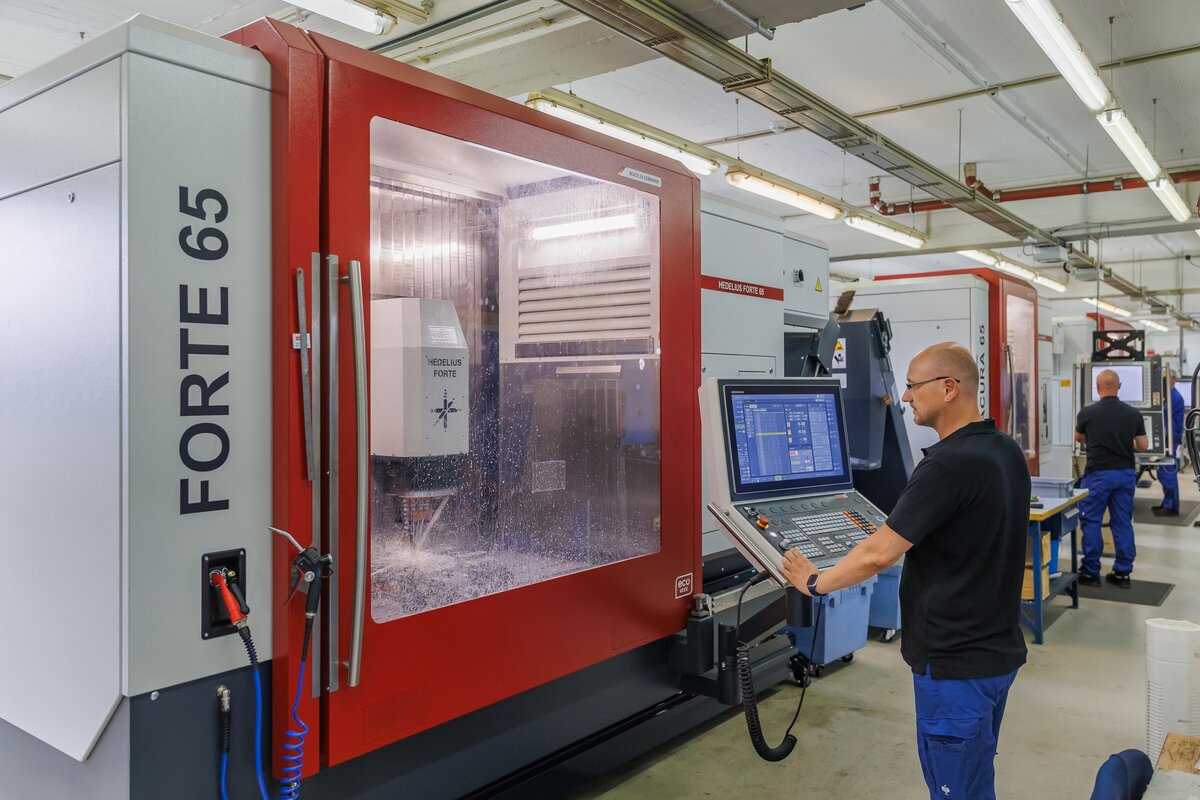
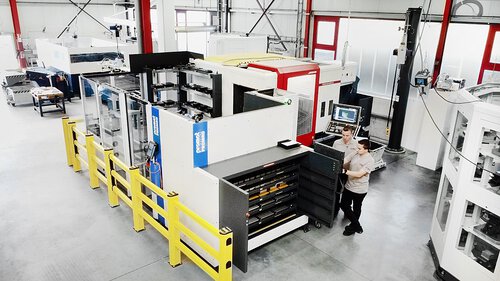
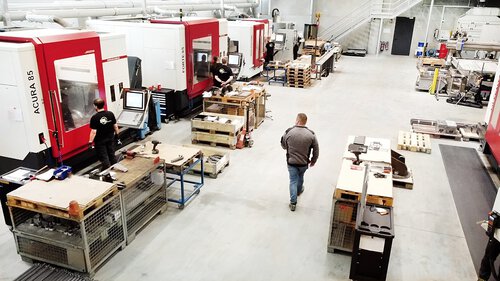
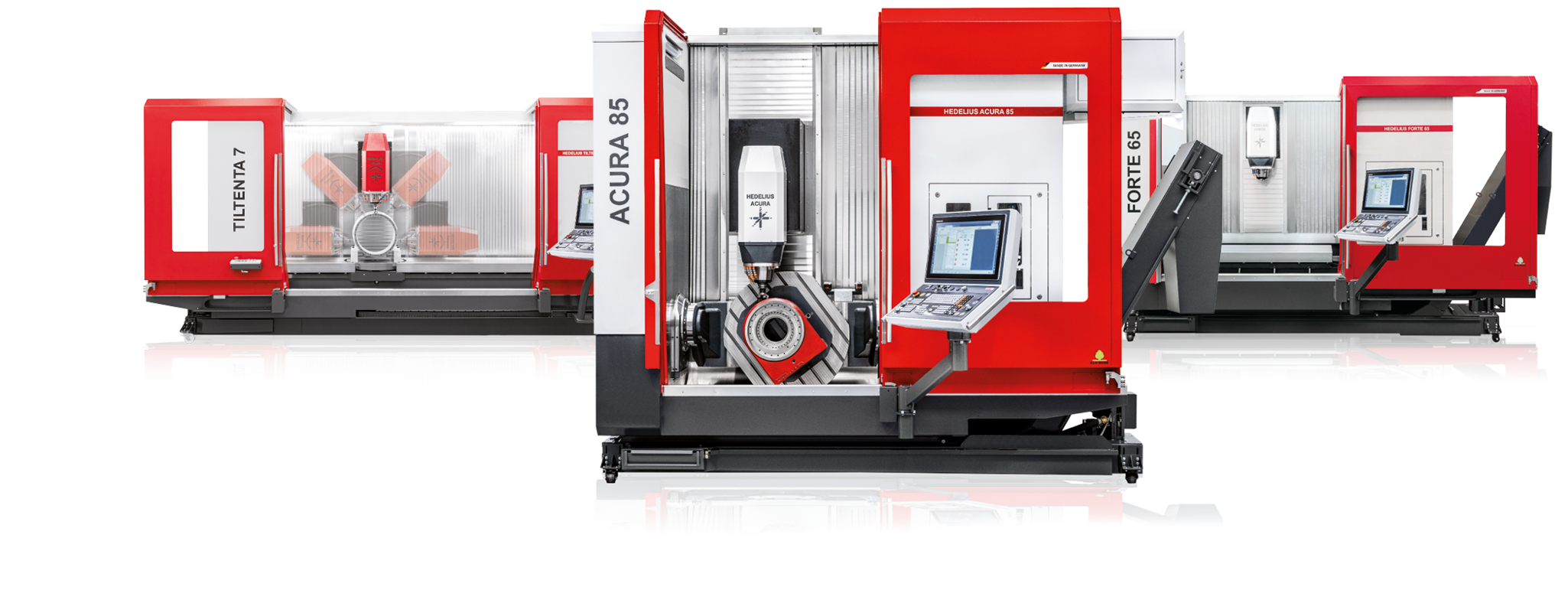
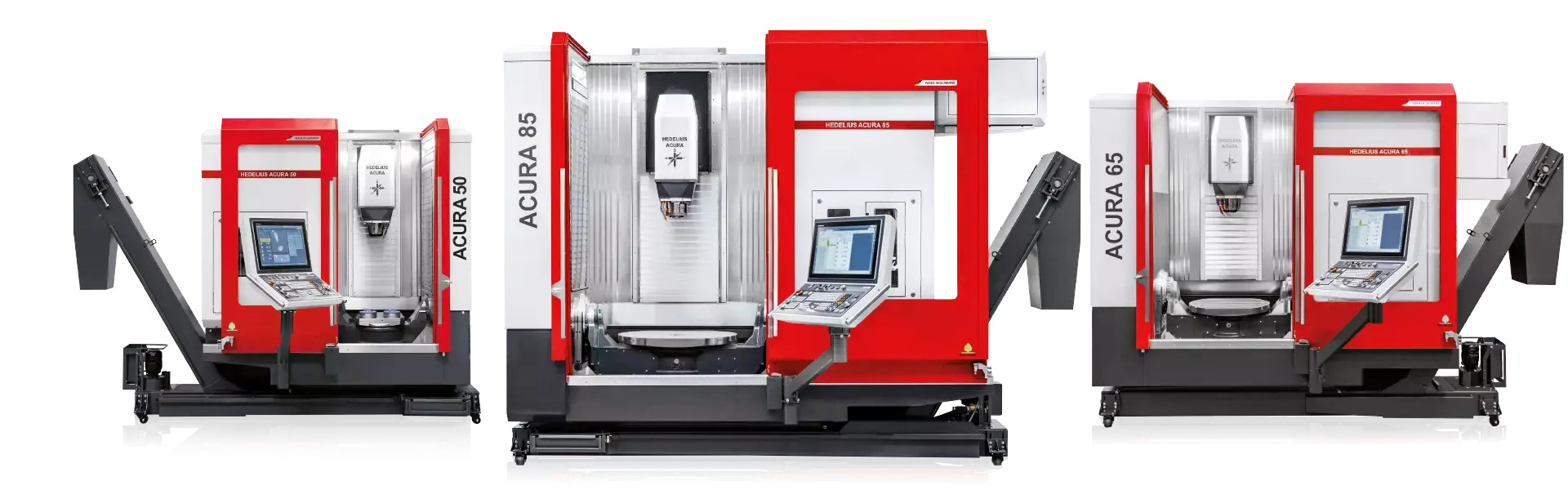
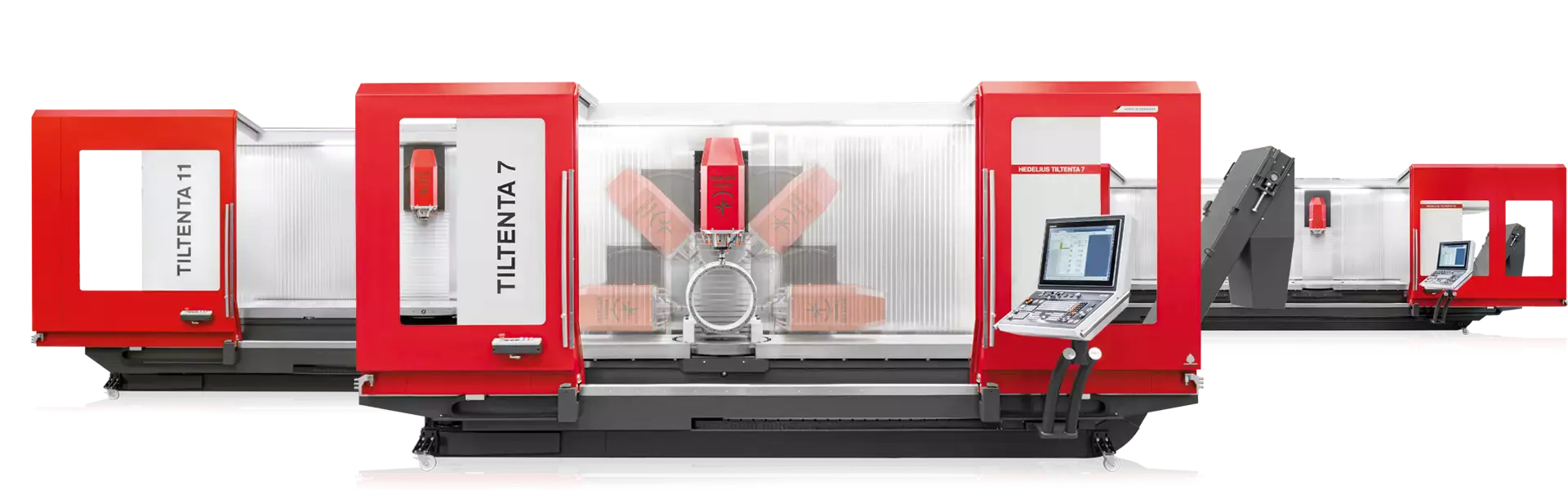
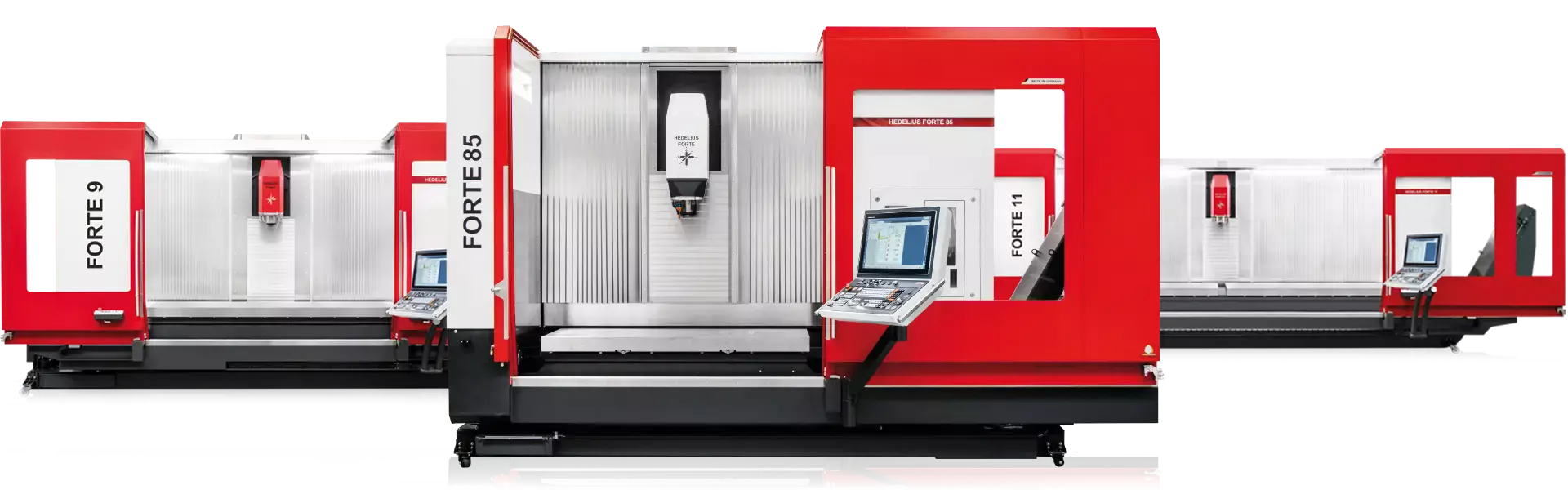
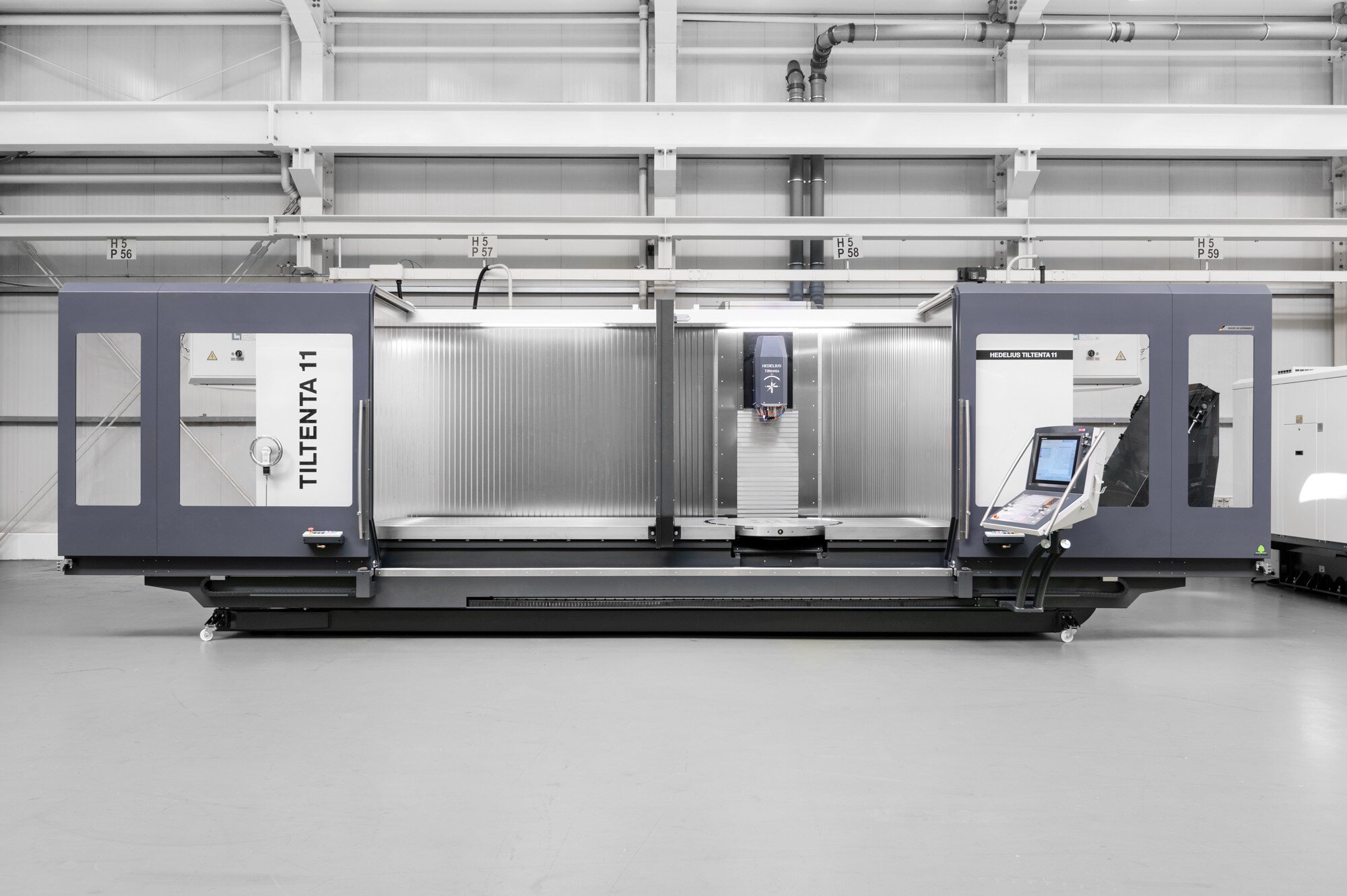
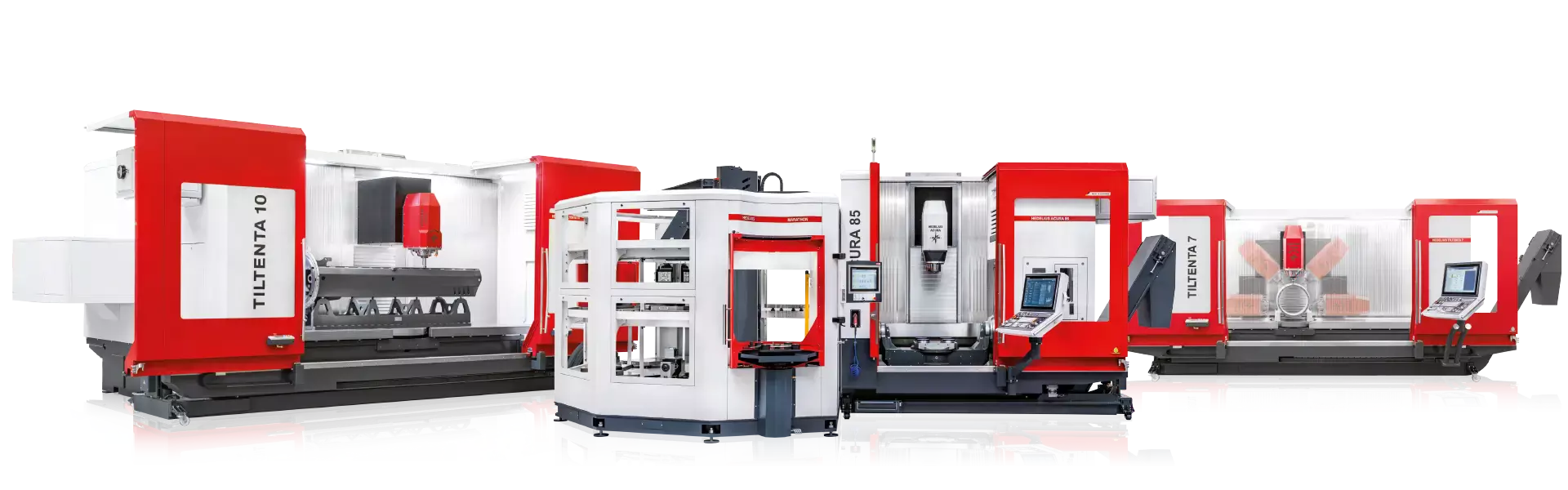
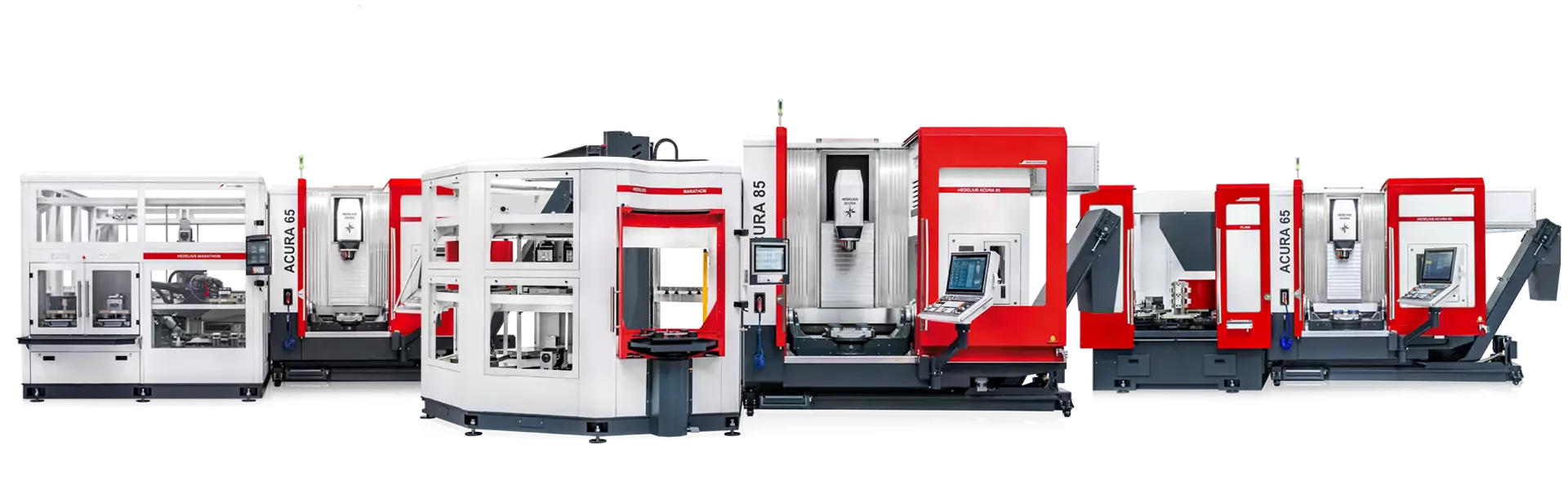
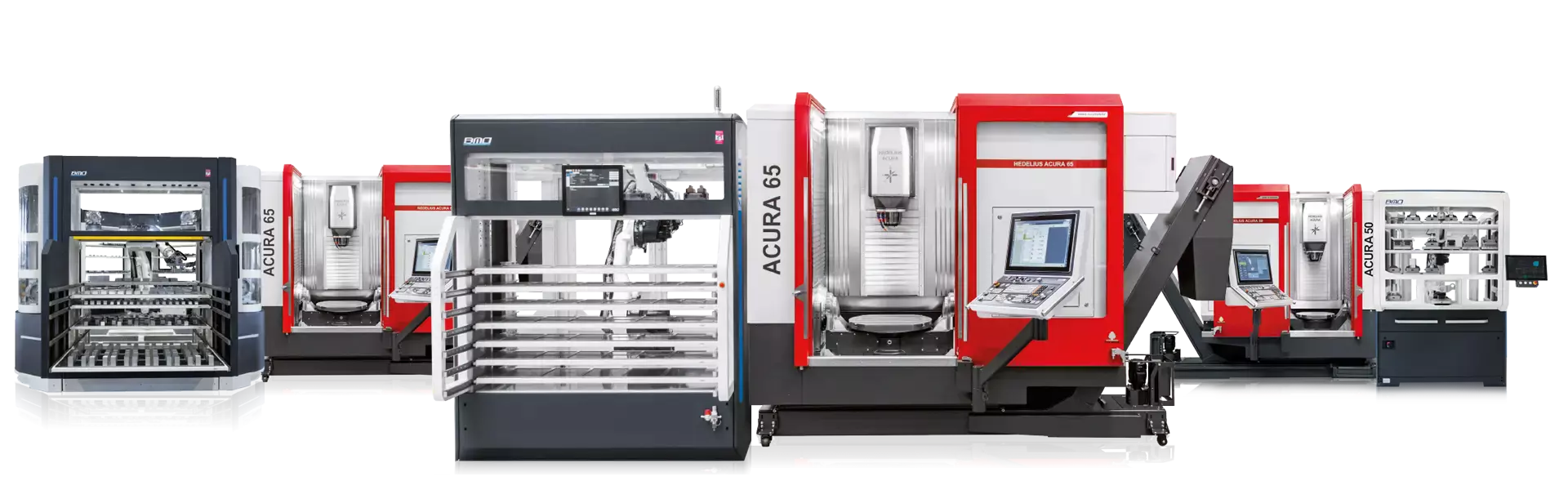
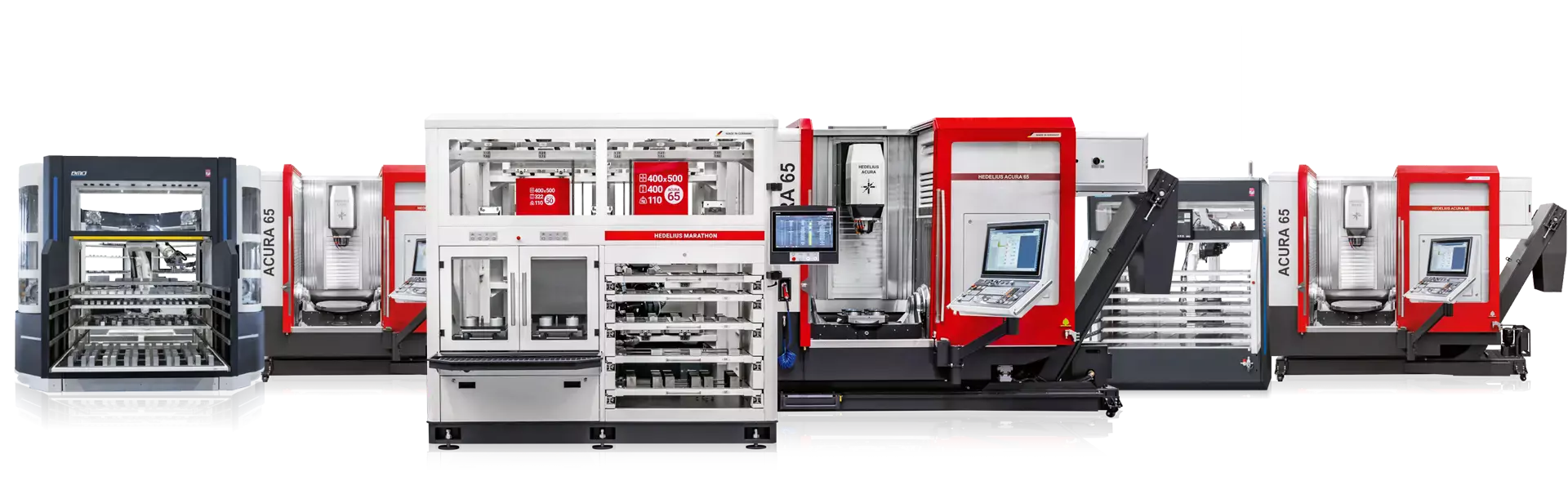
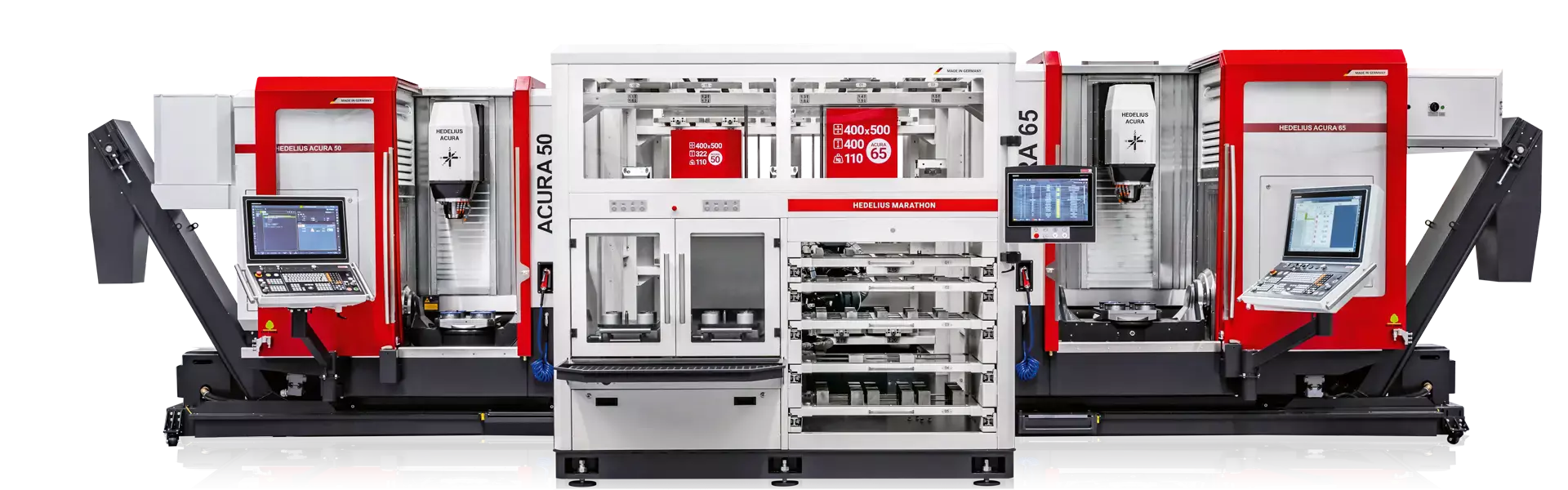
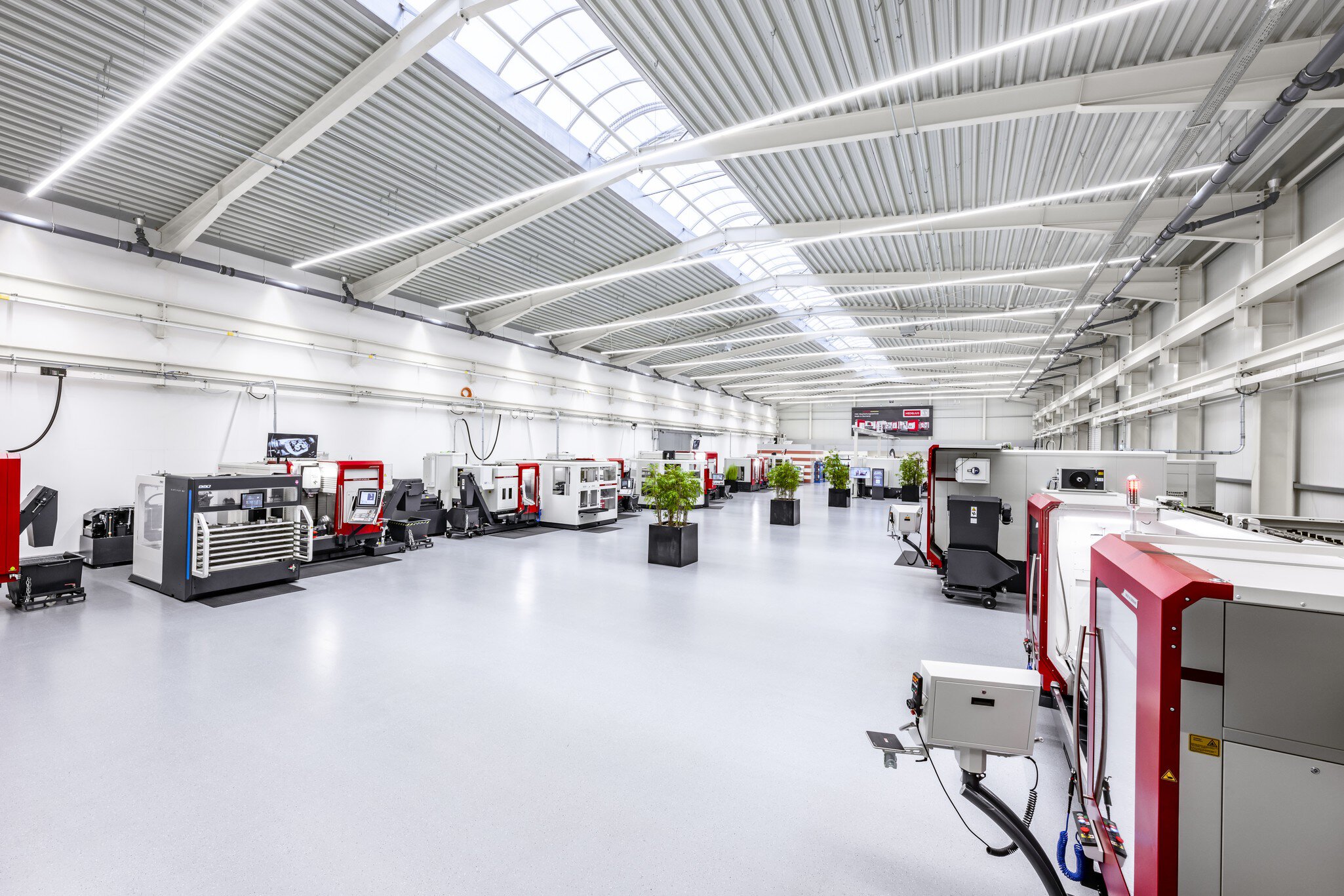
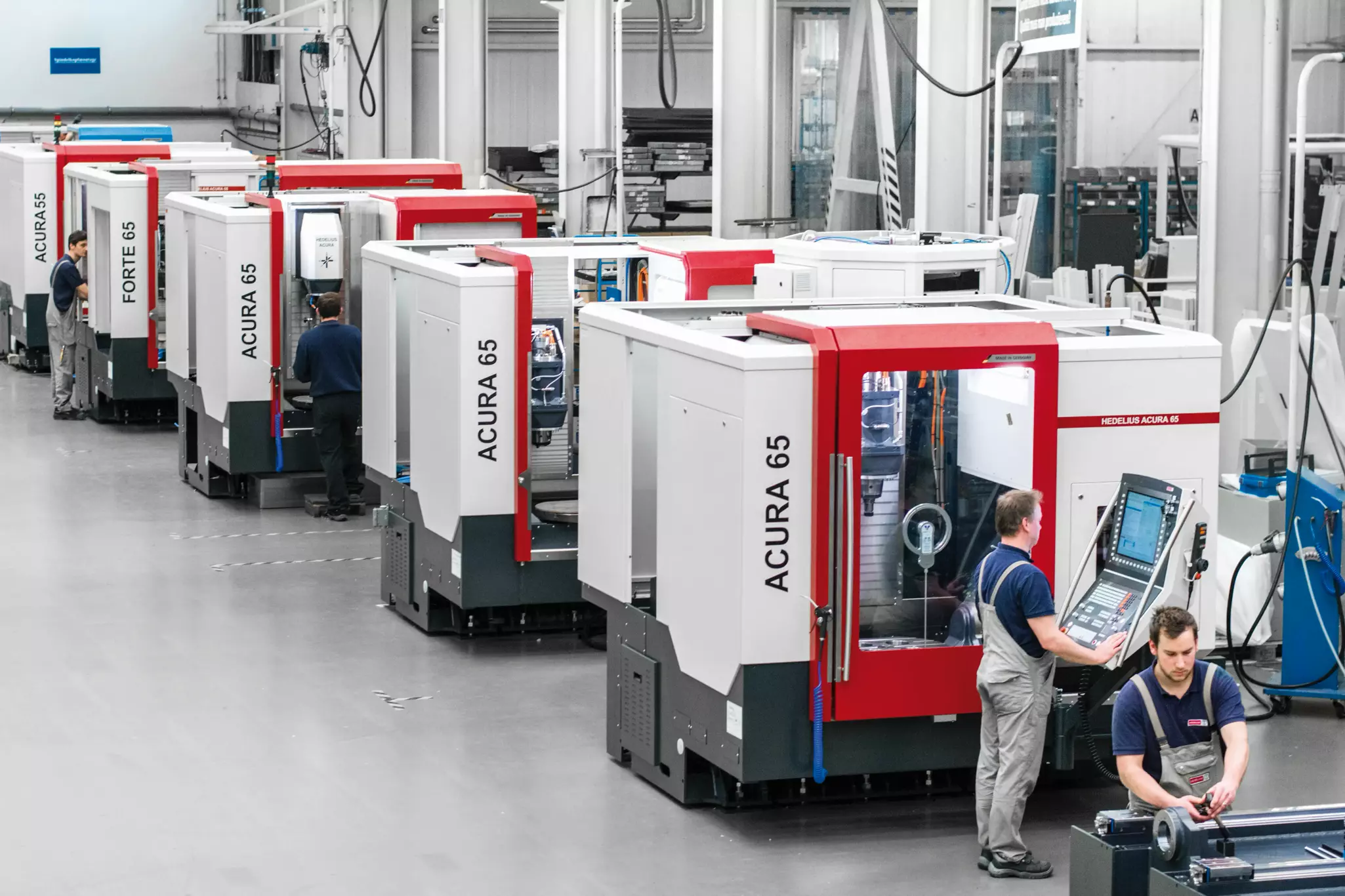
A fleet of machines in red and white: FES relies primarily on HEDELIUS machining centres for its CNC manufacturing.
Our engineering expertise covers ranges such as aerodynamics and hydrodynamics, lightweight construction, tribology and structural mechanics. Design and manufacture are carried out using state-of-the-art CAD and CNC technology, including components for sports equipment, prototypes, precision parts for training and competition systems, as well as development and test parts. The result of CNC machining is not always immediately visible on the sports equipment itself: for example, high-precision moulds are also produced, such as those used by manufacturers to manufacture ultra-light yet high-strength CFRP components for cycling.
HEDELIUS as the “sole CNC supplier”
The FES’s CNC production facility offers a truly rare sight: almost all the milling machines come from the same manufacturer – and that is no coincidence. From 2016 onwards, the machine fleet was gradually converted to HEDELIUS.
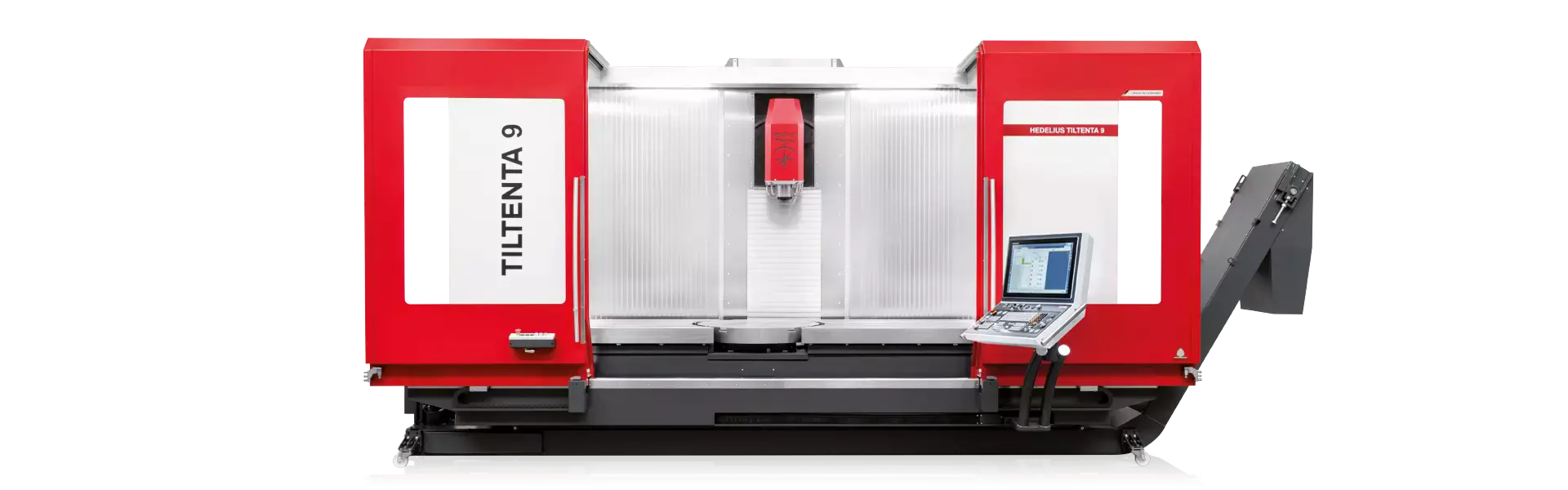
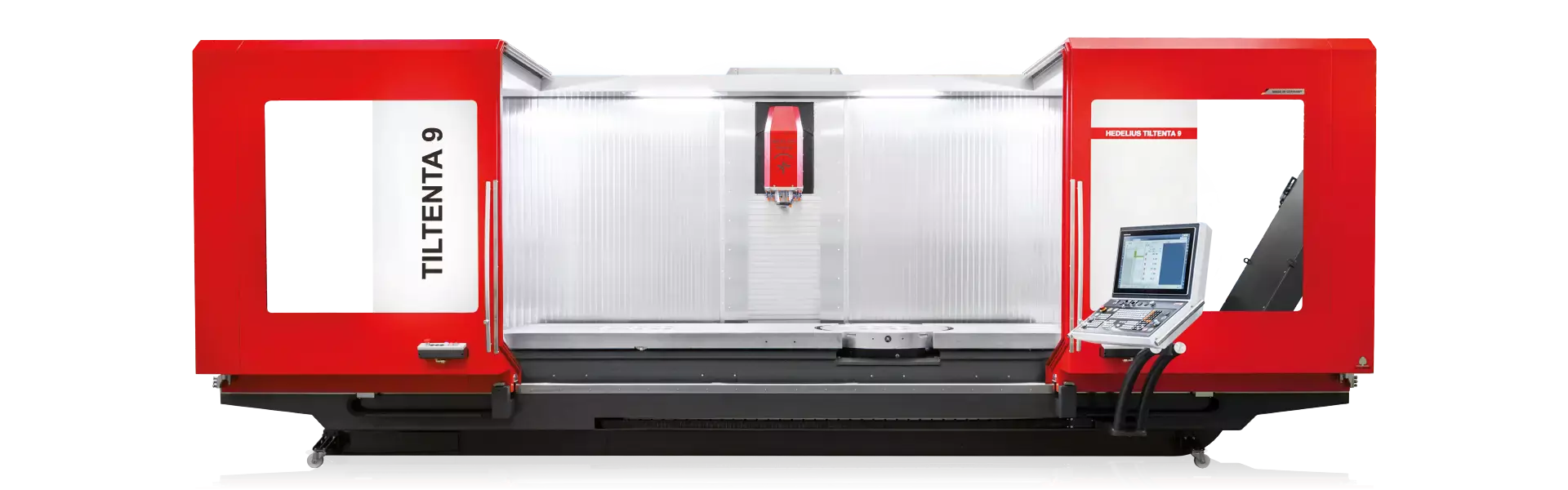
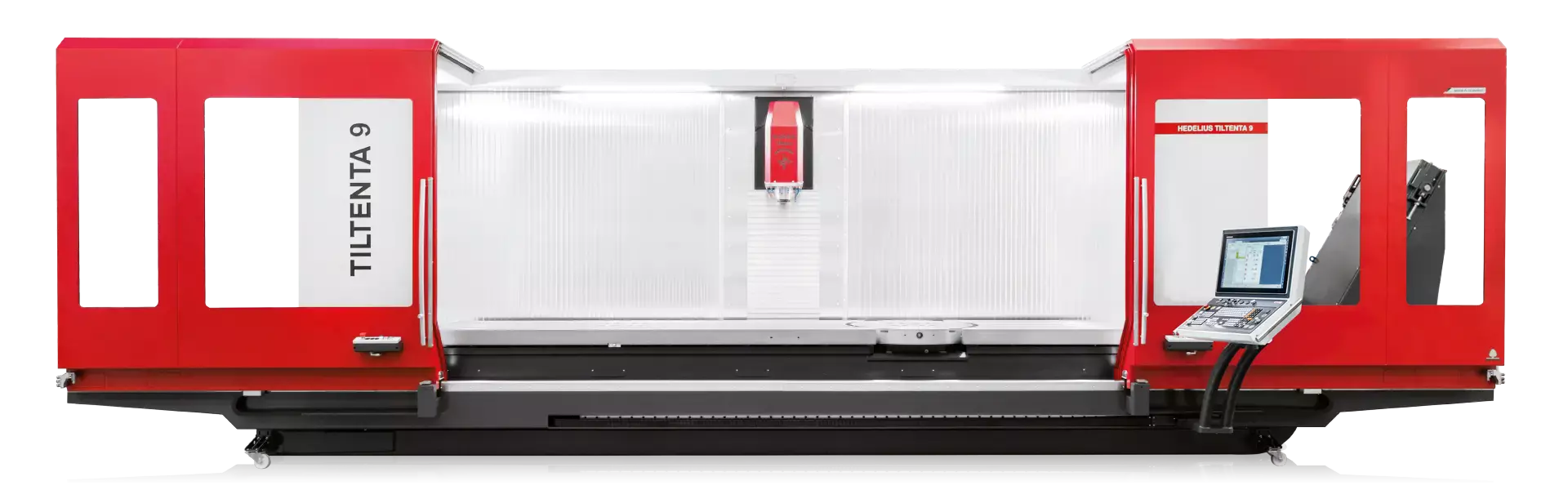
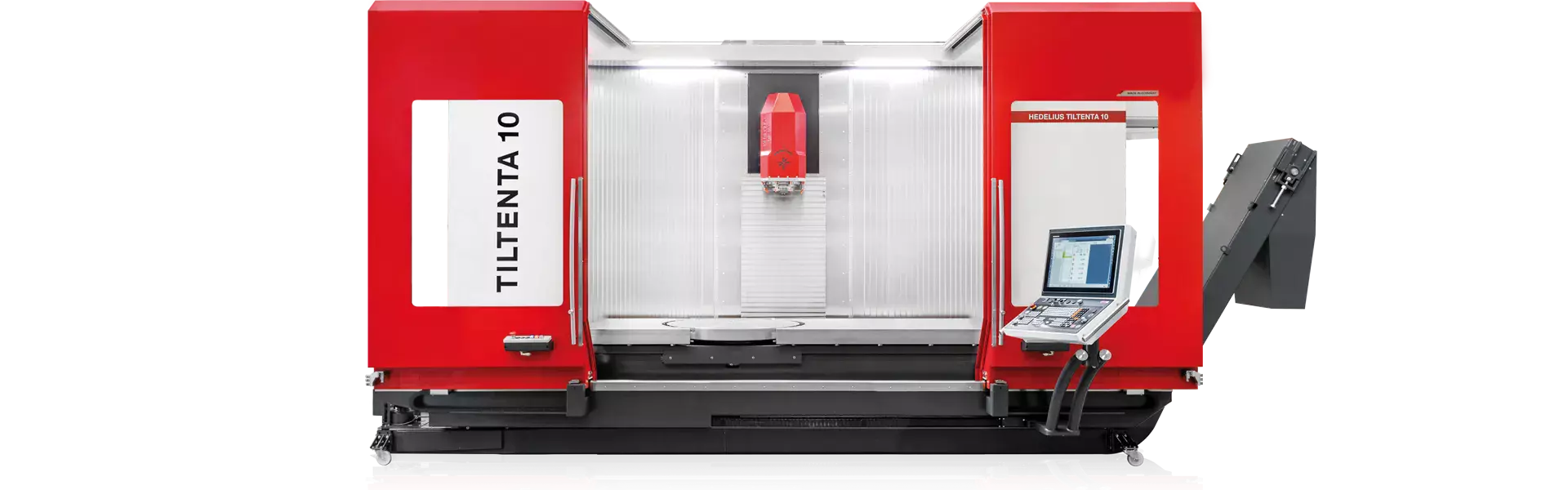
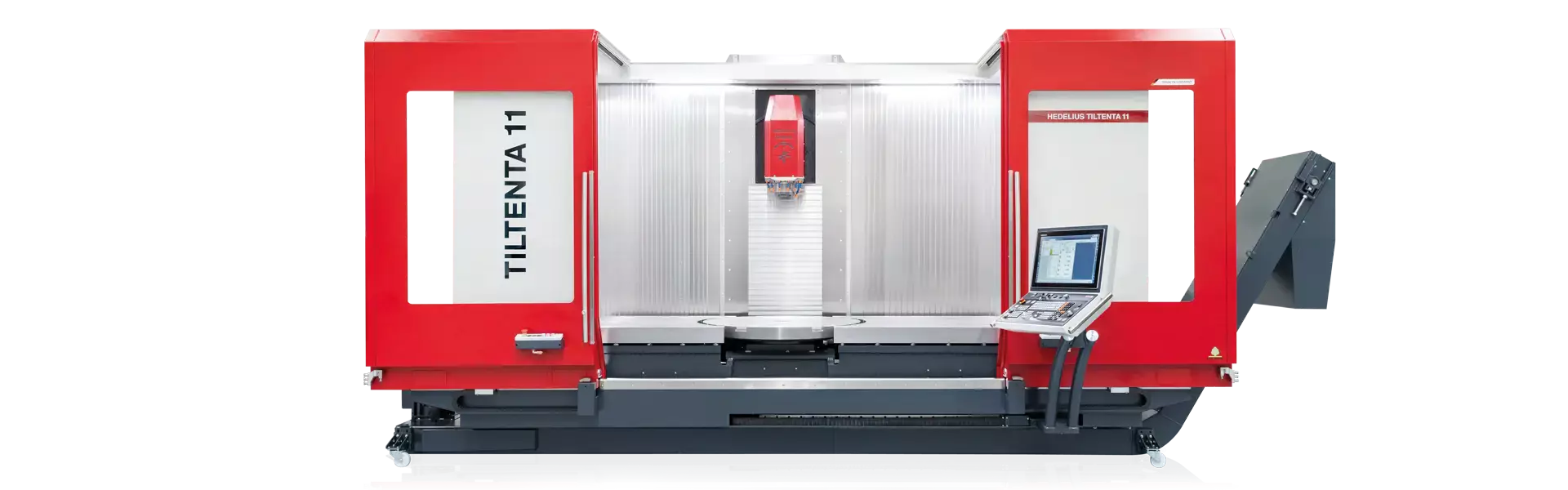
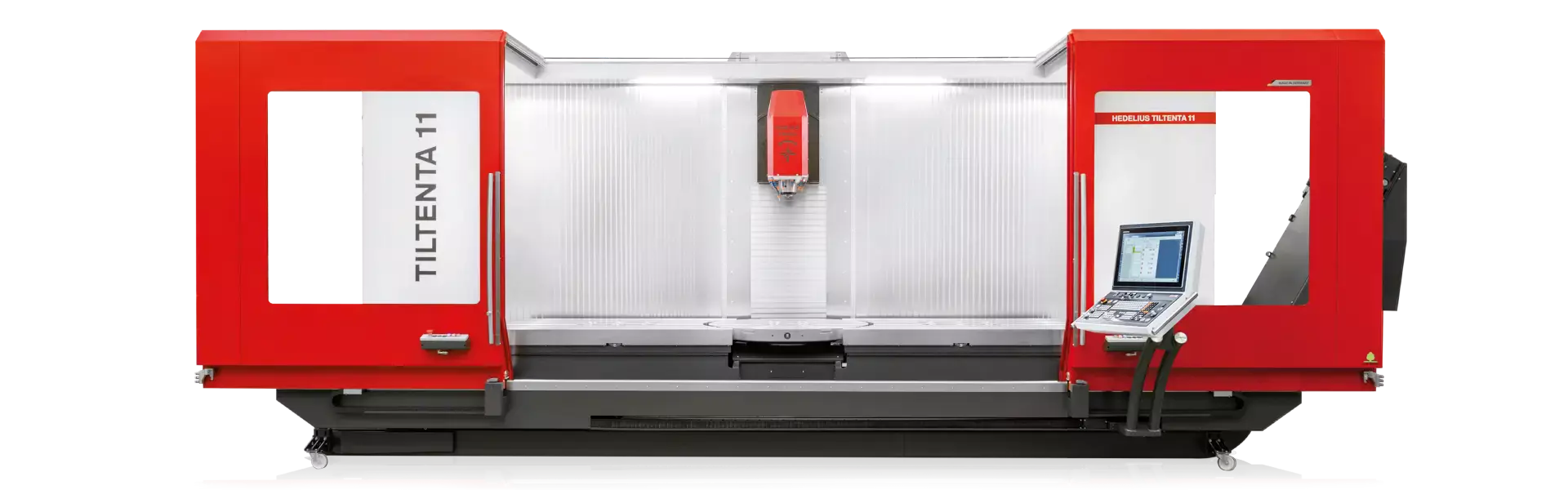
It all began with a TILTENTA 6 Single; an ACURA 65 was then purchased in 2019, followed by a TILTENTA 6-2300 in 2023 and, finally, a FORTE 65 was added in 2026 – a coherent production network that flexibly covers FES’s characteristic mix of one-off items, development variants, customised adjustments and a small number of recurring components, all under one roof. No single machine stands out as the ‘star’ here; rather, success is down to teamwork – just as it is in sport. The high level of vertical integration gives Nico Zimmermann and his colleagues full control over materials, processes and quality: “Before we buy anything in, we prefer to build it ourselves,” he emphasises.
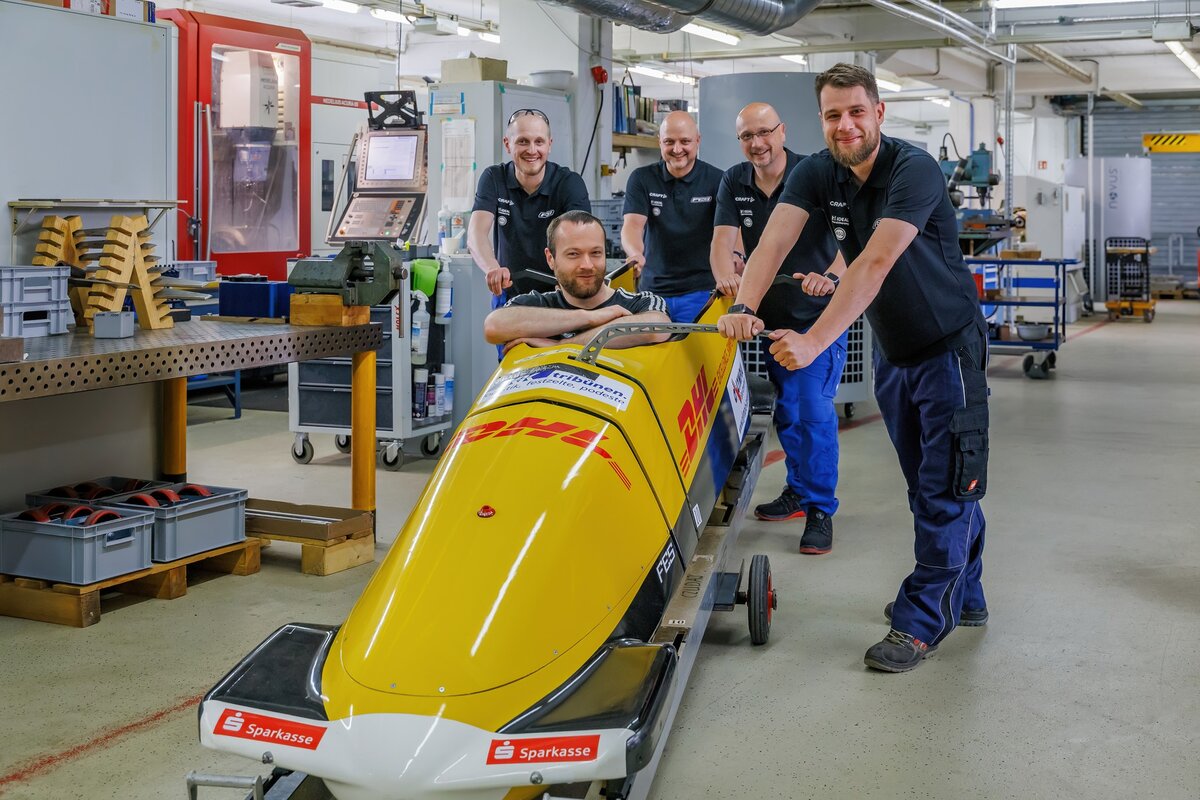
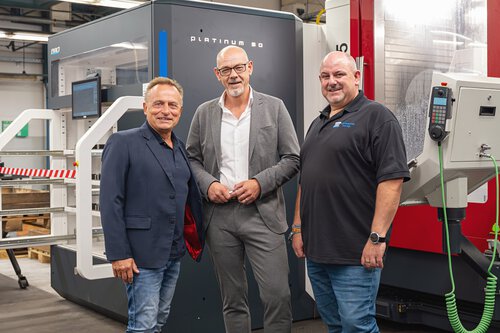
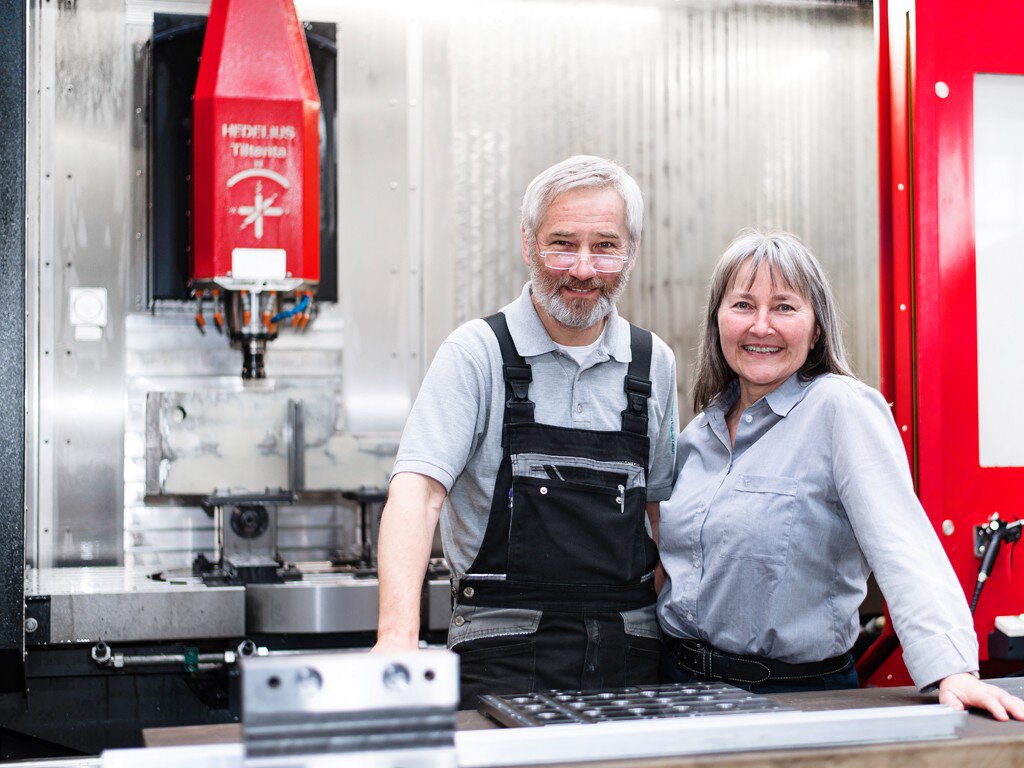
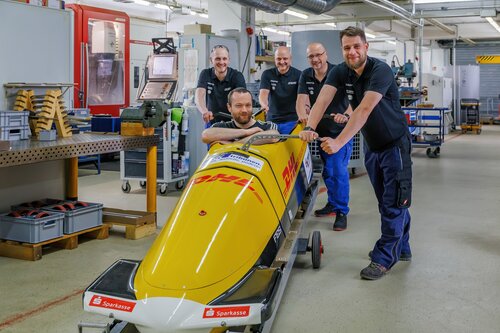
Proud of their work: the team from the Metal Research Workshop with a four-man competition bobsleigh from the German federation.
“We often have premieres
– just like in the theatre”
Unlike in traditional machining workshops, what counts at the FES is not the competitiveness of the manufacturing process, but solely the quality and performance of the end product. “We’re not here to maximise production volumes or machining output; we simply want to build good sports equipment,” says purchaser Torsten Schmidt, summarising the institute’s ethos. So rather than churning out a large amount, the focus is on fine-tuning. This results in a constant stream of new prototypes, some with a wide variety of components, which are then tested and further refined. “It’s a bit like in the theatre here: we often have premieres; in between, we give the place a quick tidy-up, then start all over again,” adds Schmidt with a wink.
Against this backdrop, the decision to choose HEDELIUS as the ‘sole CNC supplier’ can be interpreted, above all, as a choice in favour of reliable machining quality combined with full flexibility. “We have always attended the relevant trade fairs regularly to keep up to date with the latest technology,” explains Schmidt. “It was clear to us that we wanted to commit to a single supplier, and we have found that in HEDELIUS.”
TILTENTA 6 Single: The 5-axis all-rounder
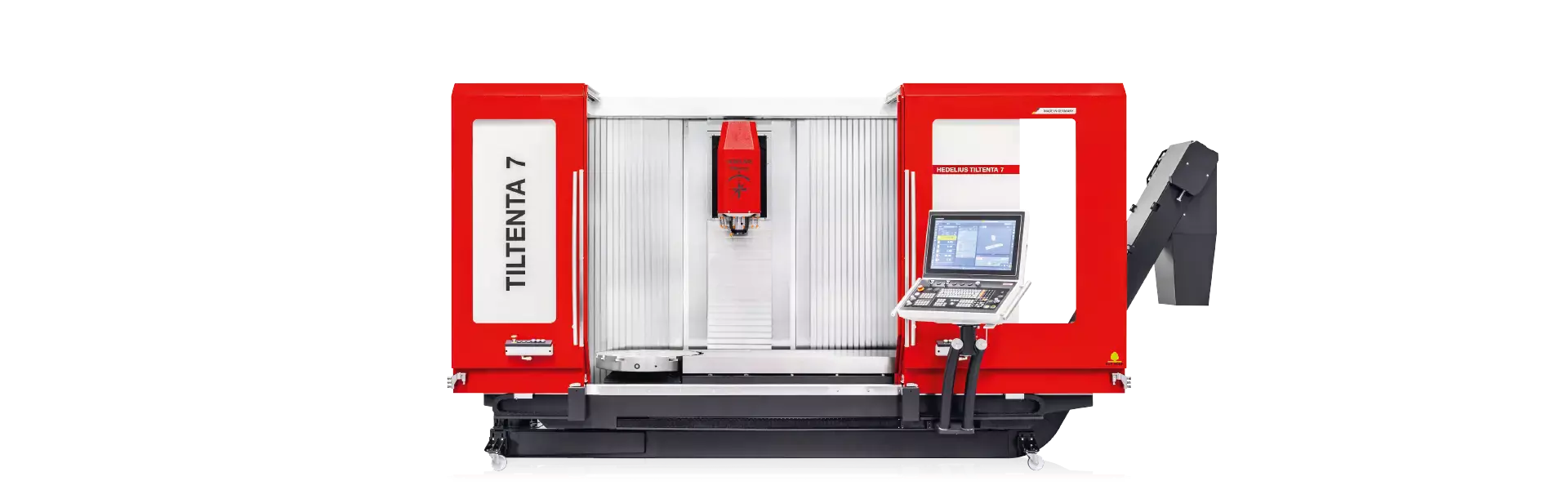
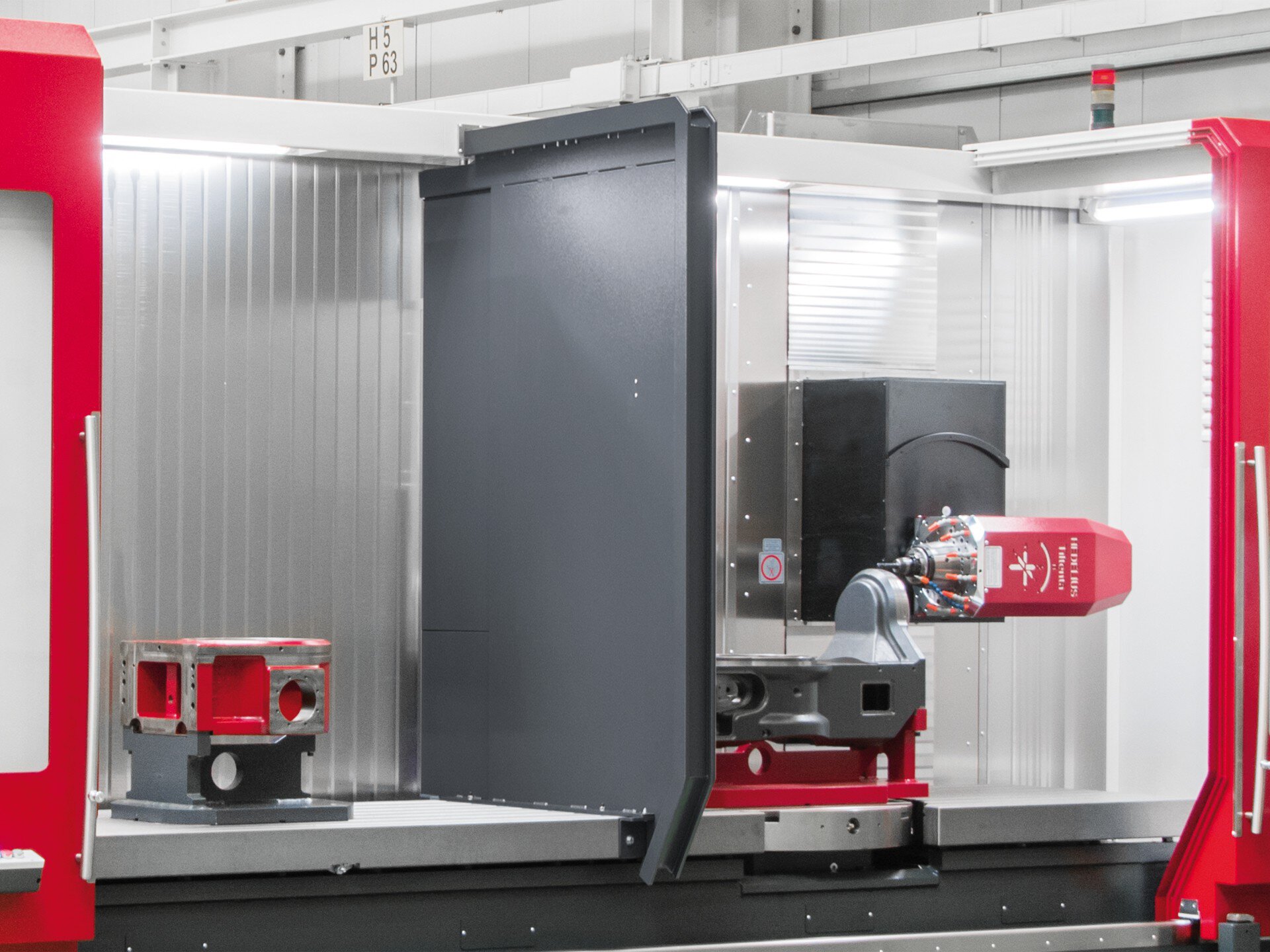
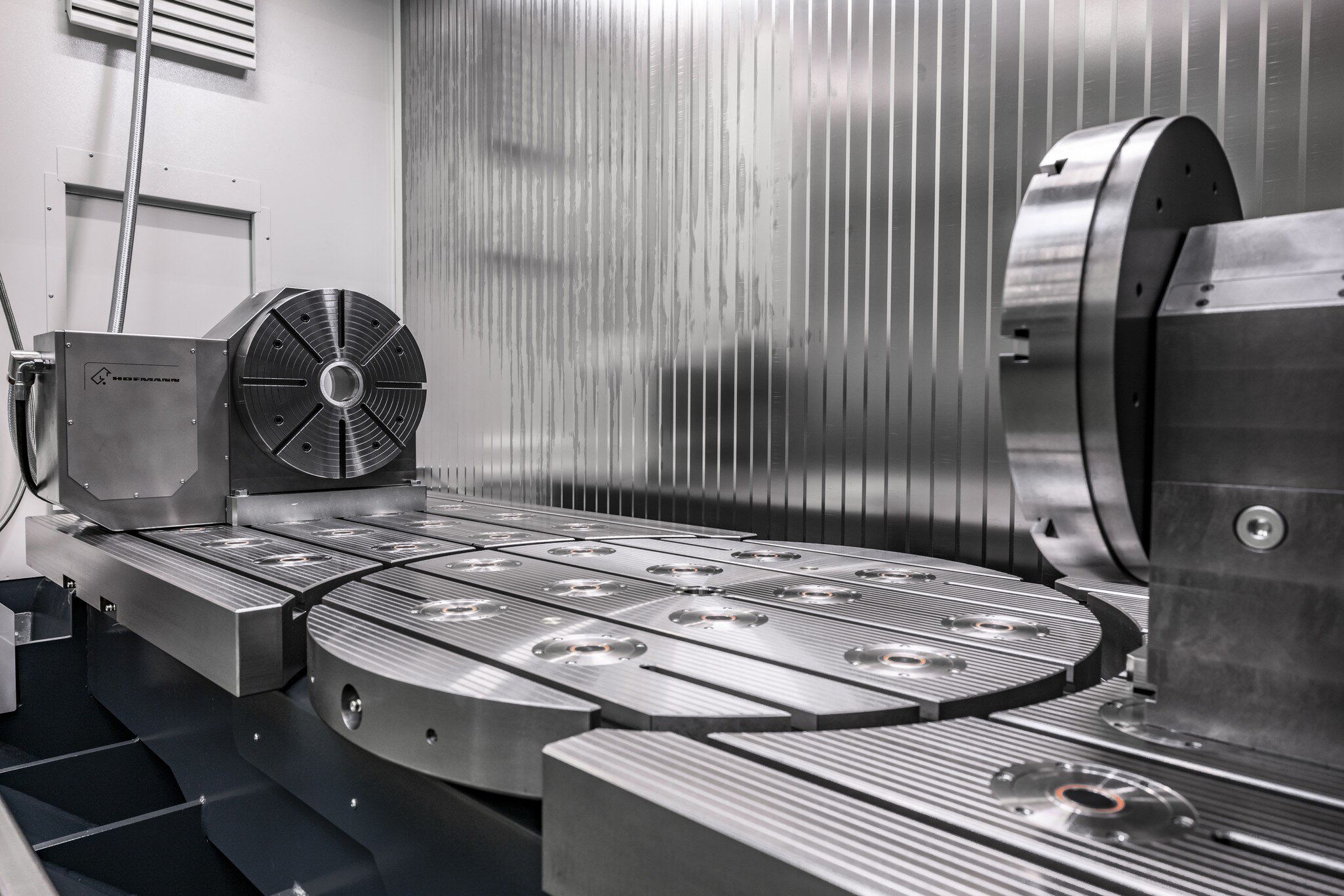
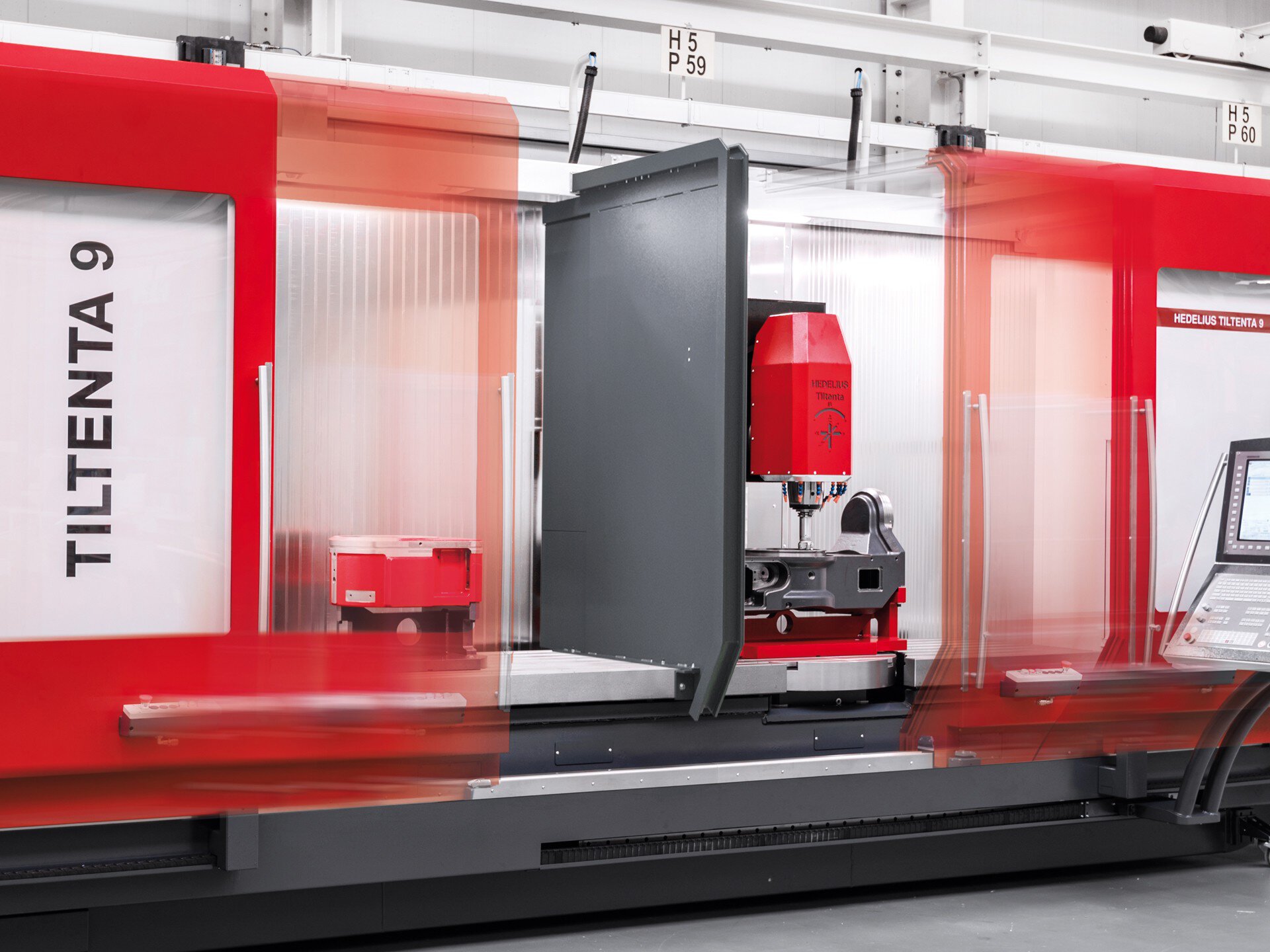
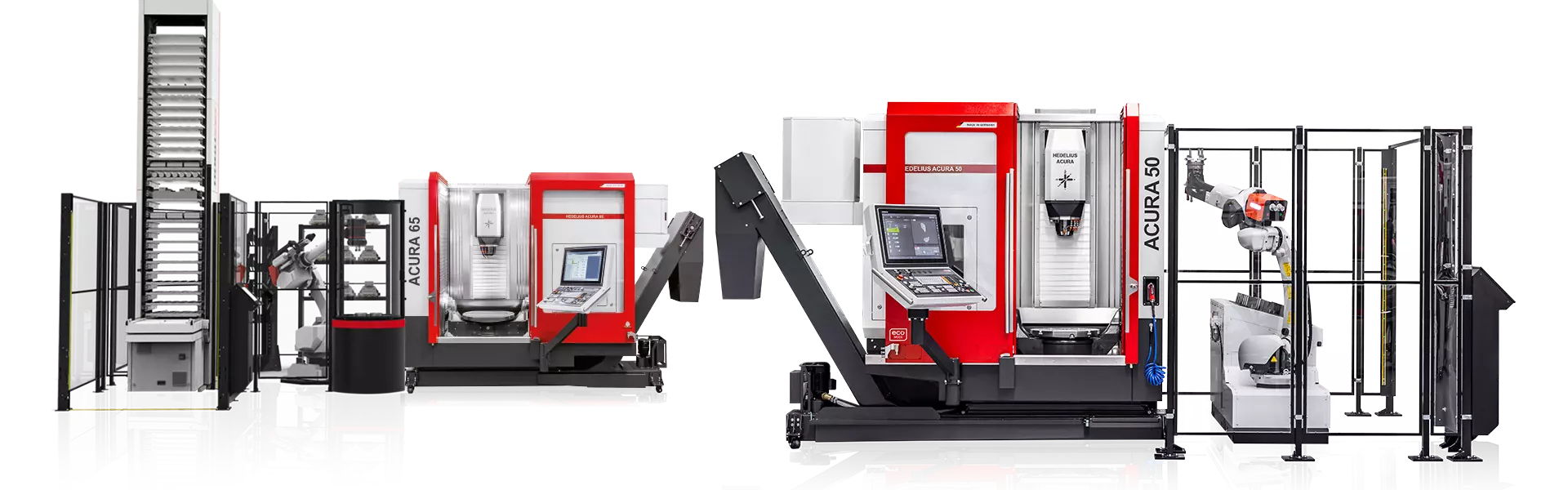
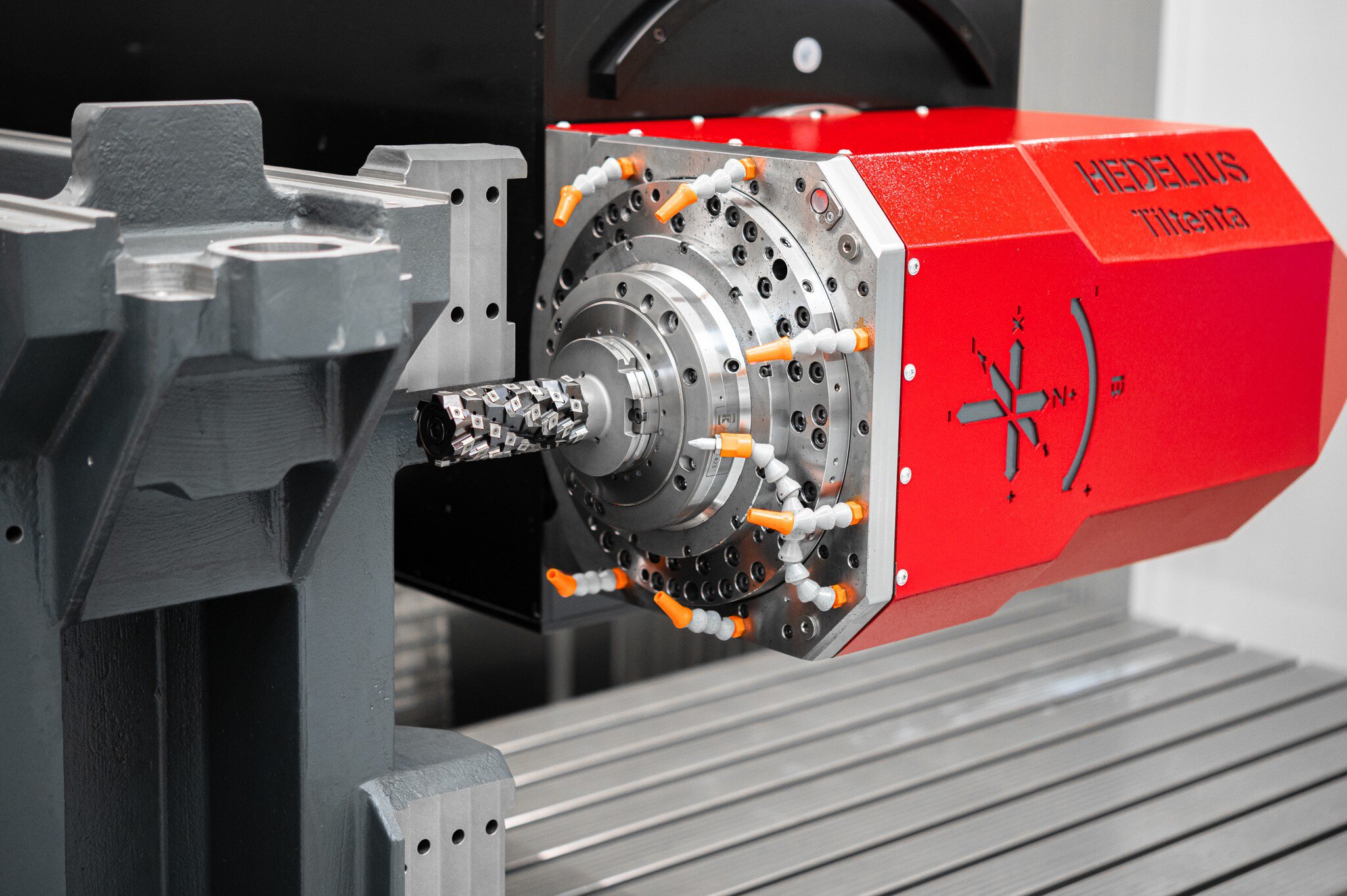
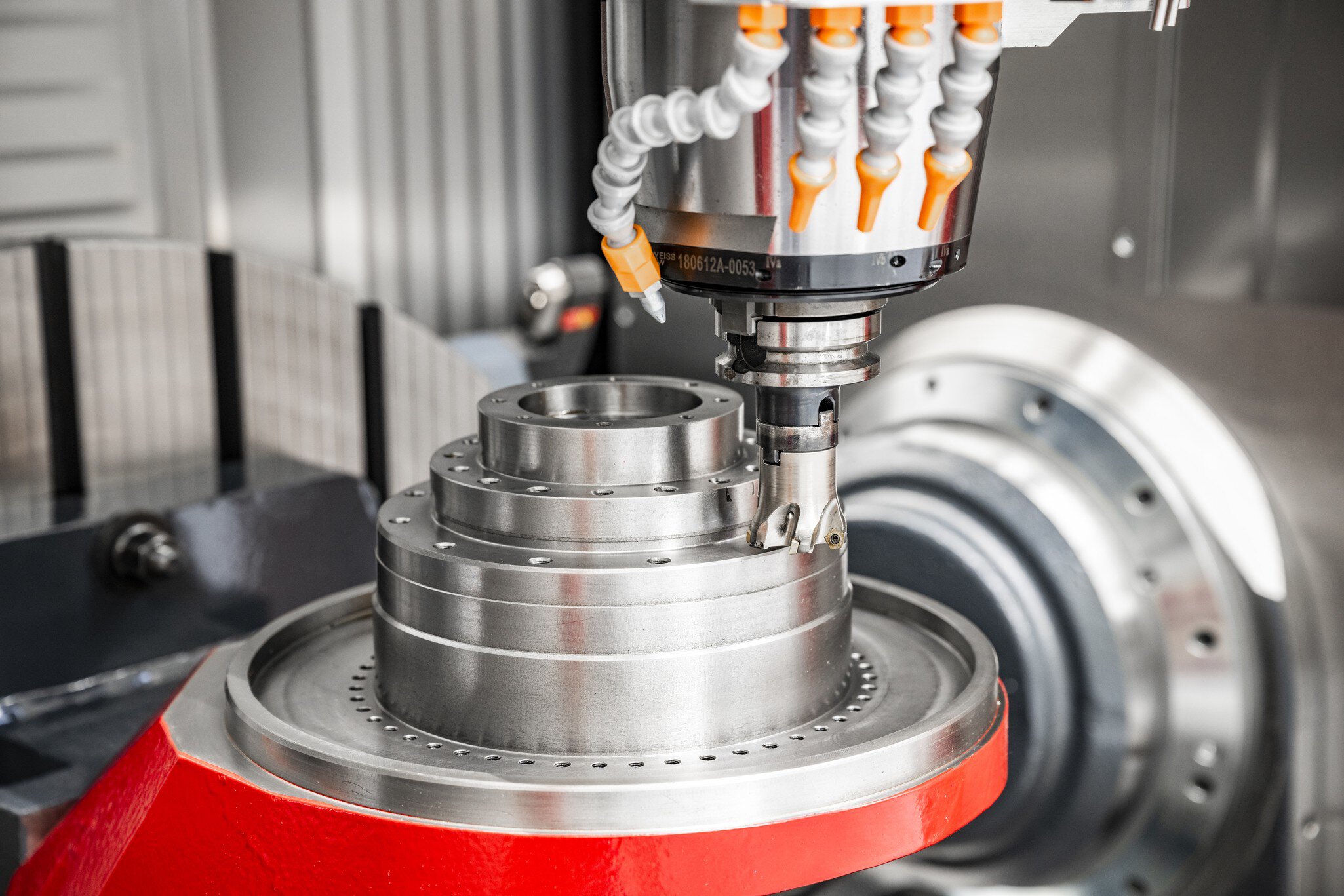
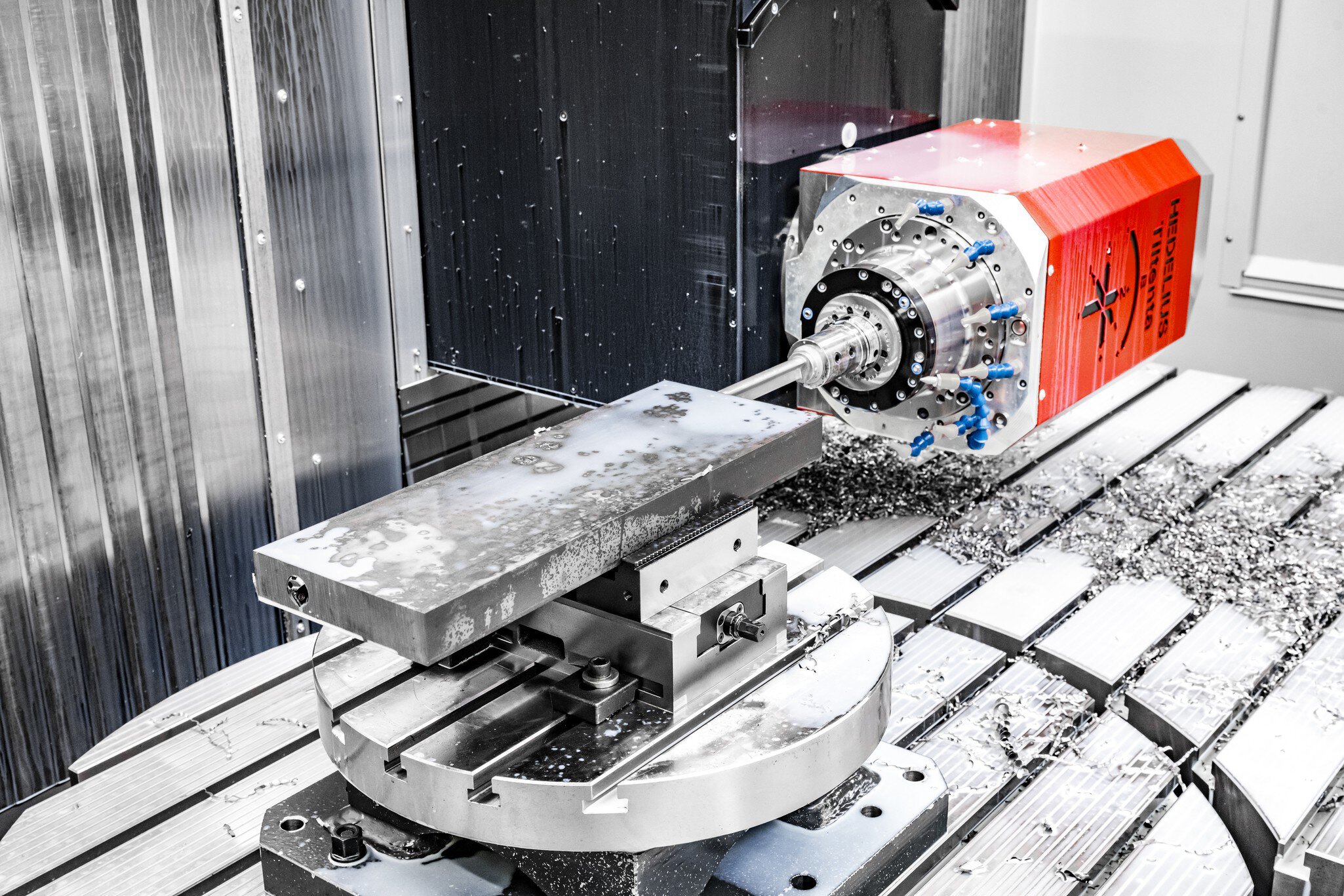
The TILTENTA 6 Single was the first machine purchased from HEDELIUS in 2016. At FES, it is primarily used for machining medium-sized workpieces with complex geometries. The combination of a continuously swivelling main spindle, an integrated NC rotary table and an additional fixed table area enables both the precise 5-side and 5-axis machining of cubic components and the cost-effective production of a wide variety of single parts.
ACURA 65: Consistent precision across 5 axes
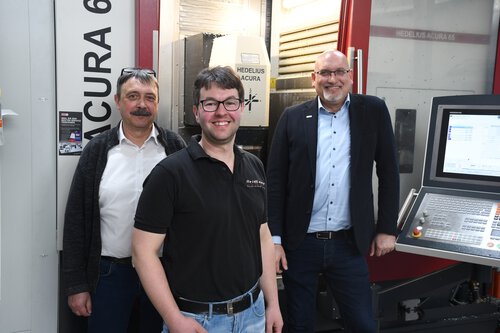
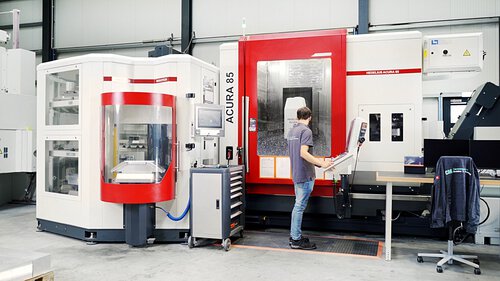
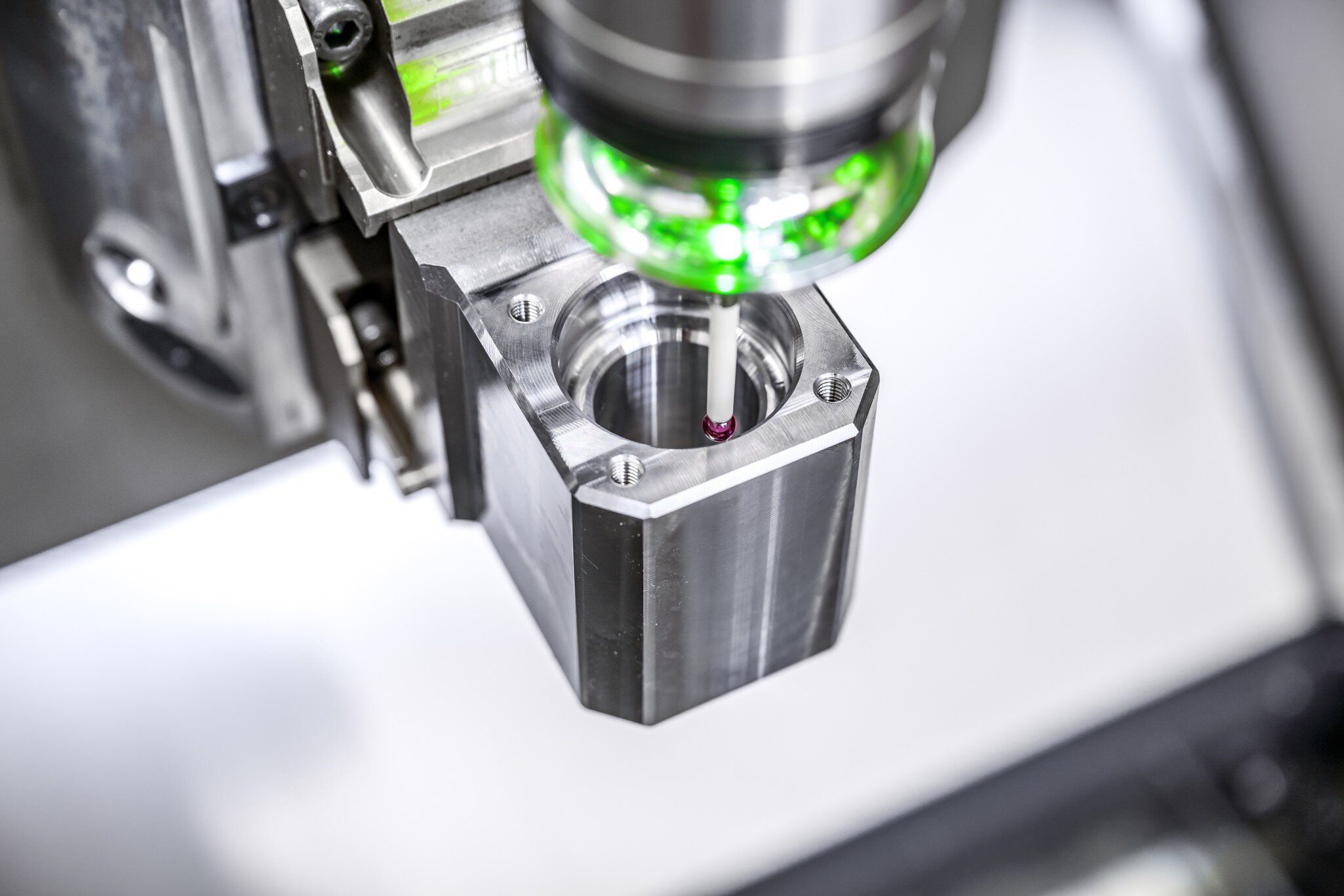
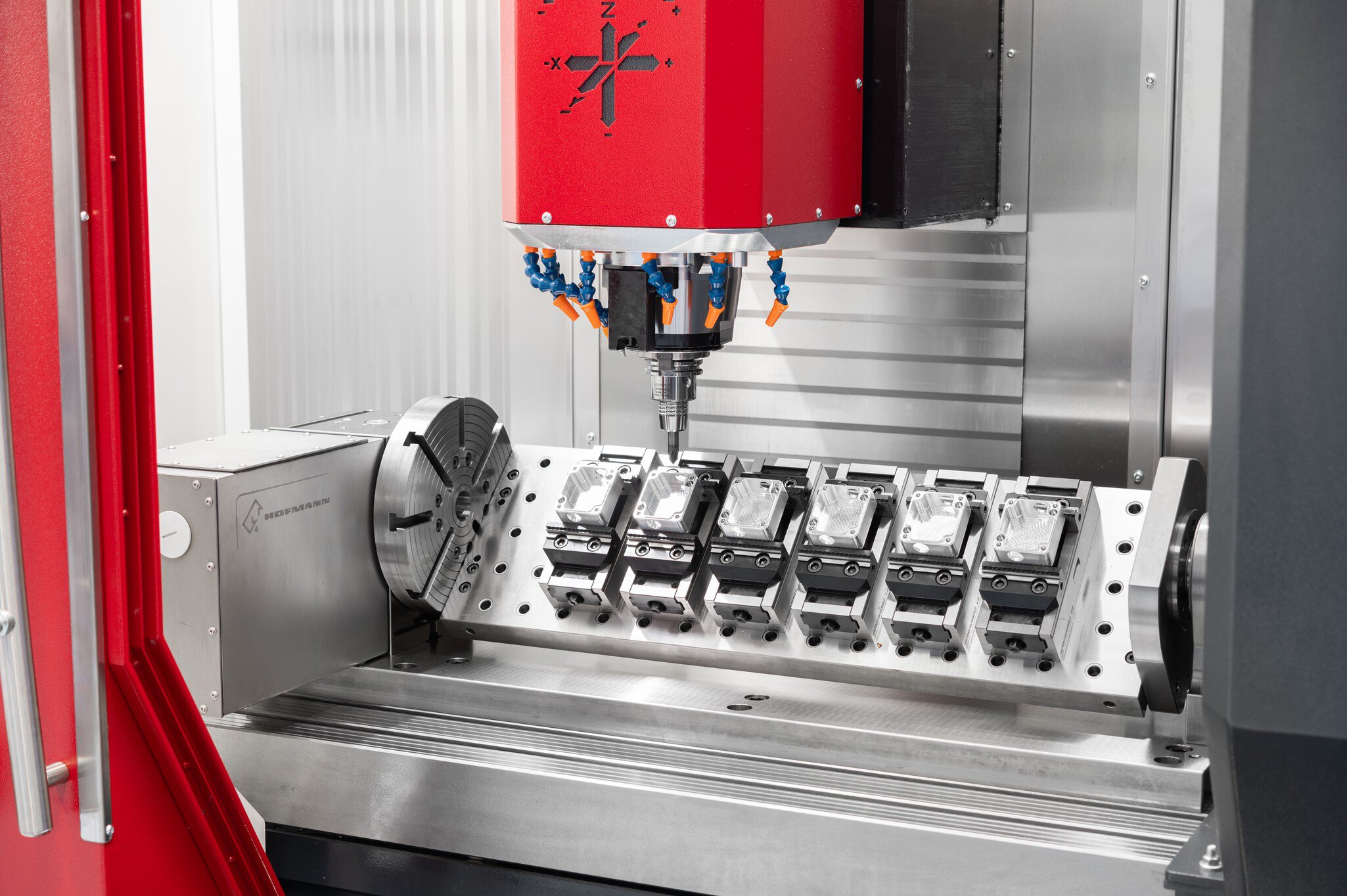
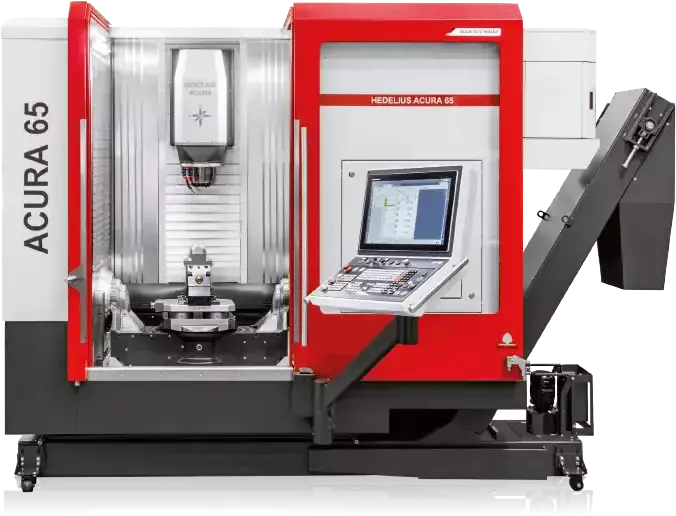
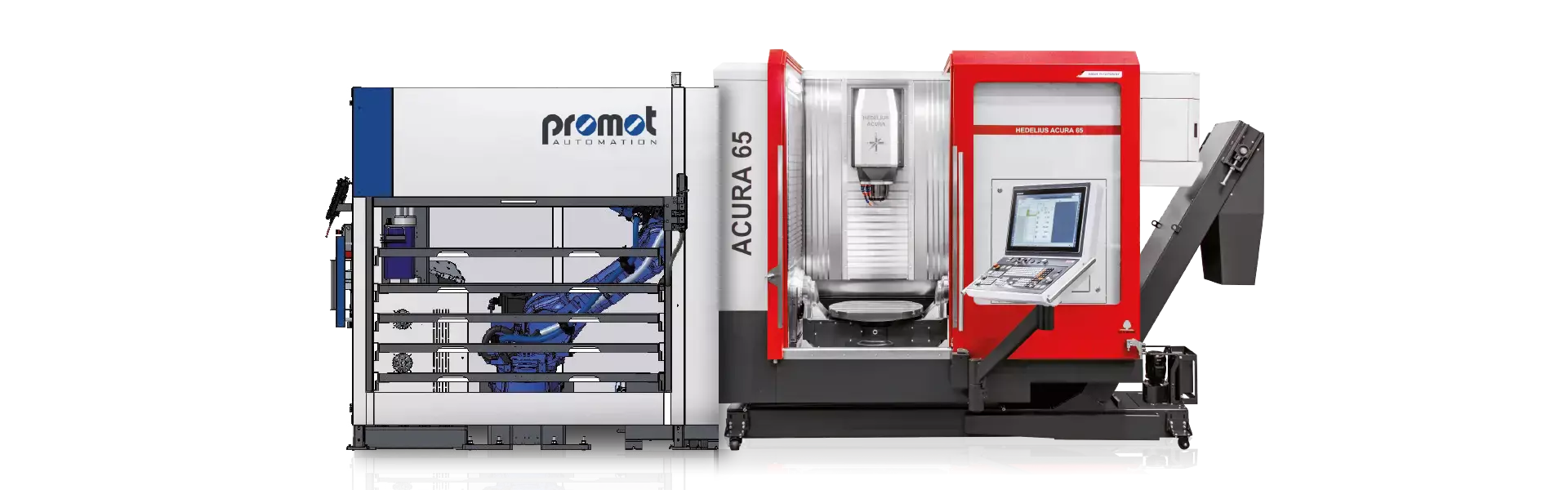
For more compact components where precision is particularly critical, the FES has the ACURA 65 at its disposal. This 5-axis machining centre combines a rotating/swivelling table mounted on both sides with a work area for workpieces with a collision area diameter of up to 700 millimetres and a weight of up to 500 kilograms. Direct measurement systems and the machine’s robust construction form the basis for consistently high machining quality.
TILTENTA 6-2300: The top choice for large parts
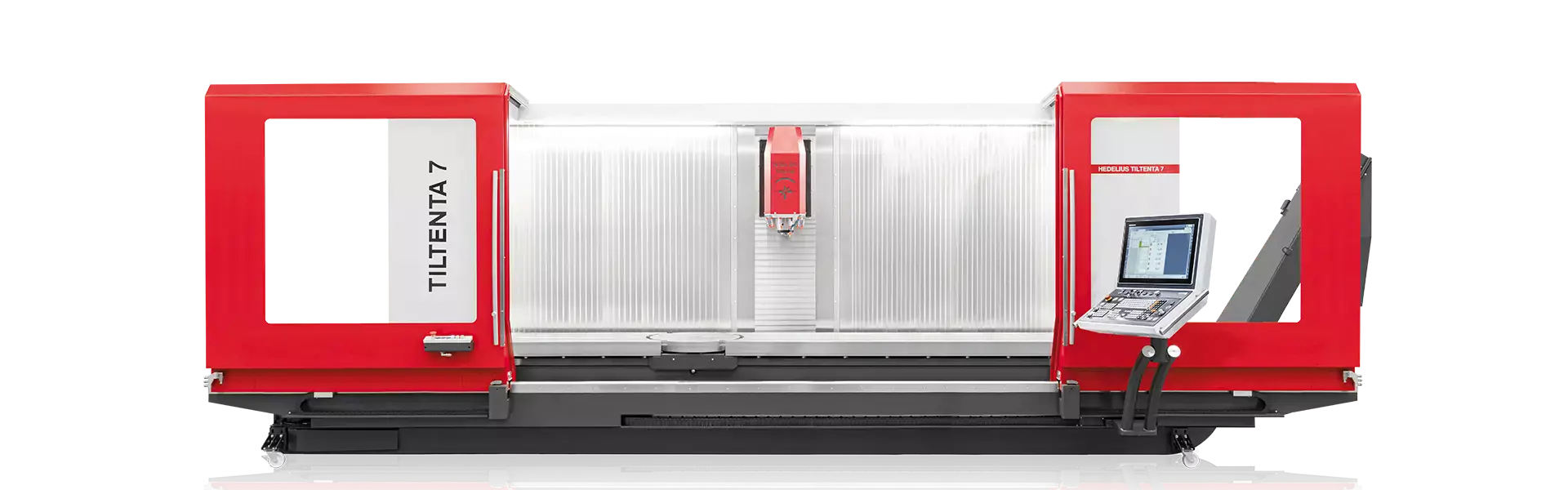
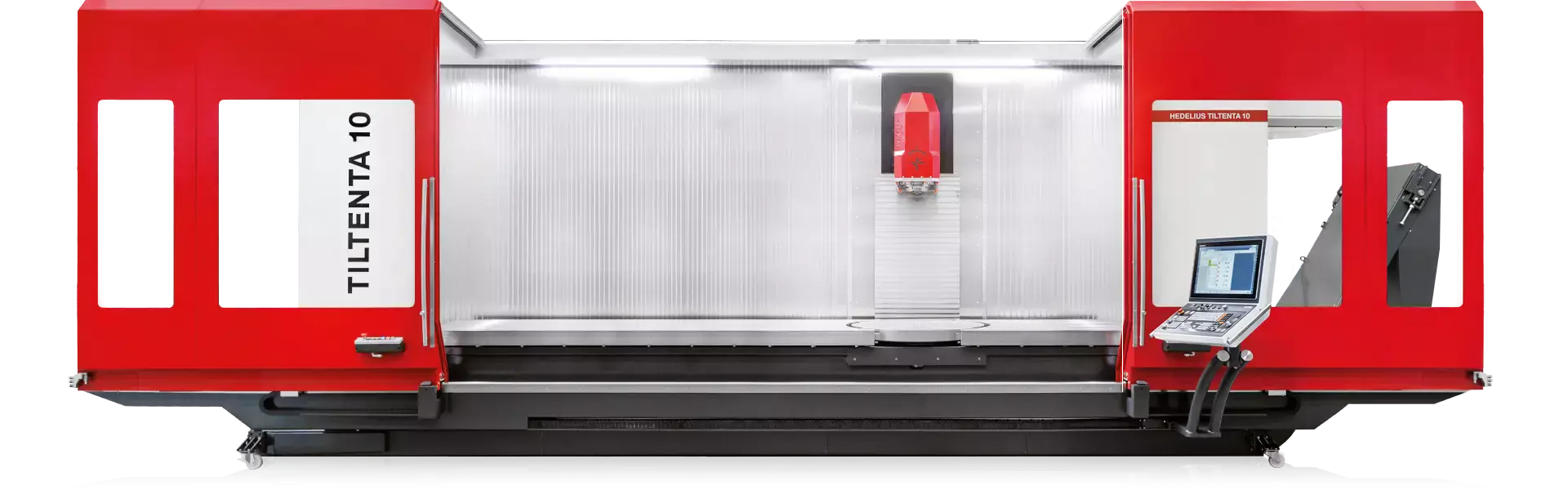
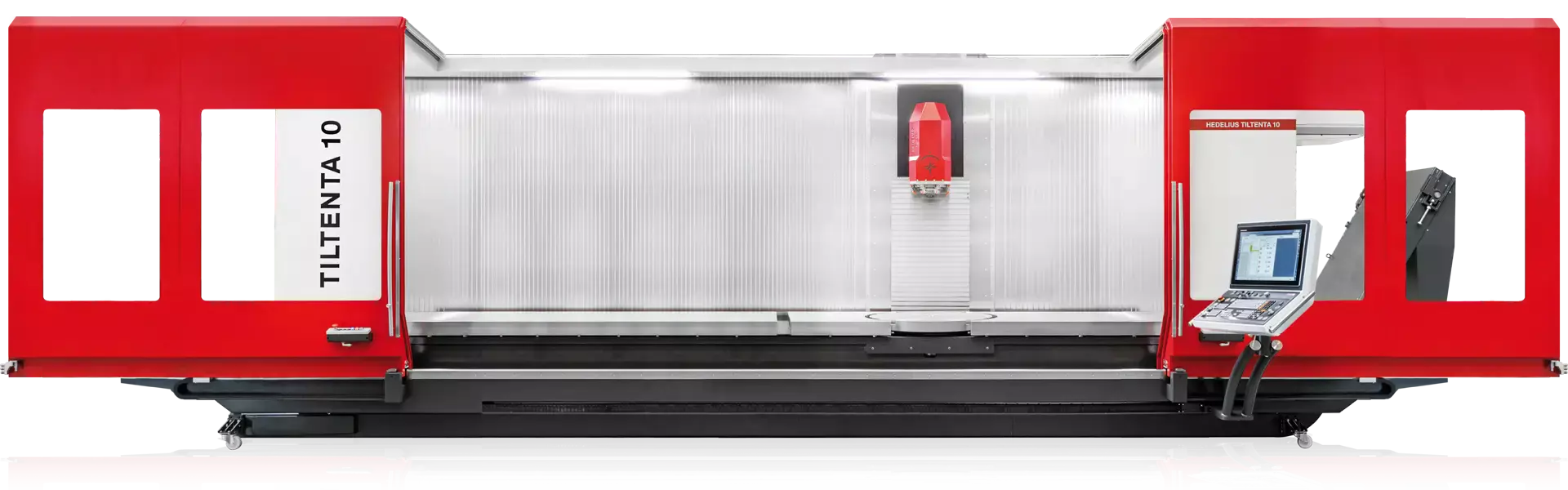
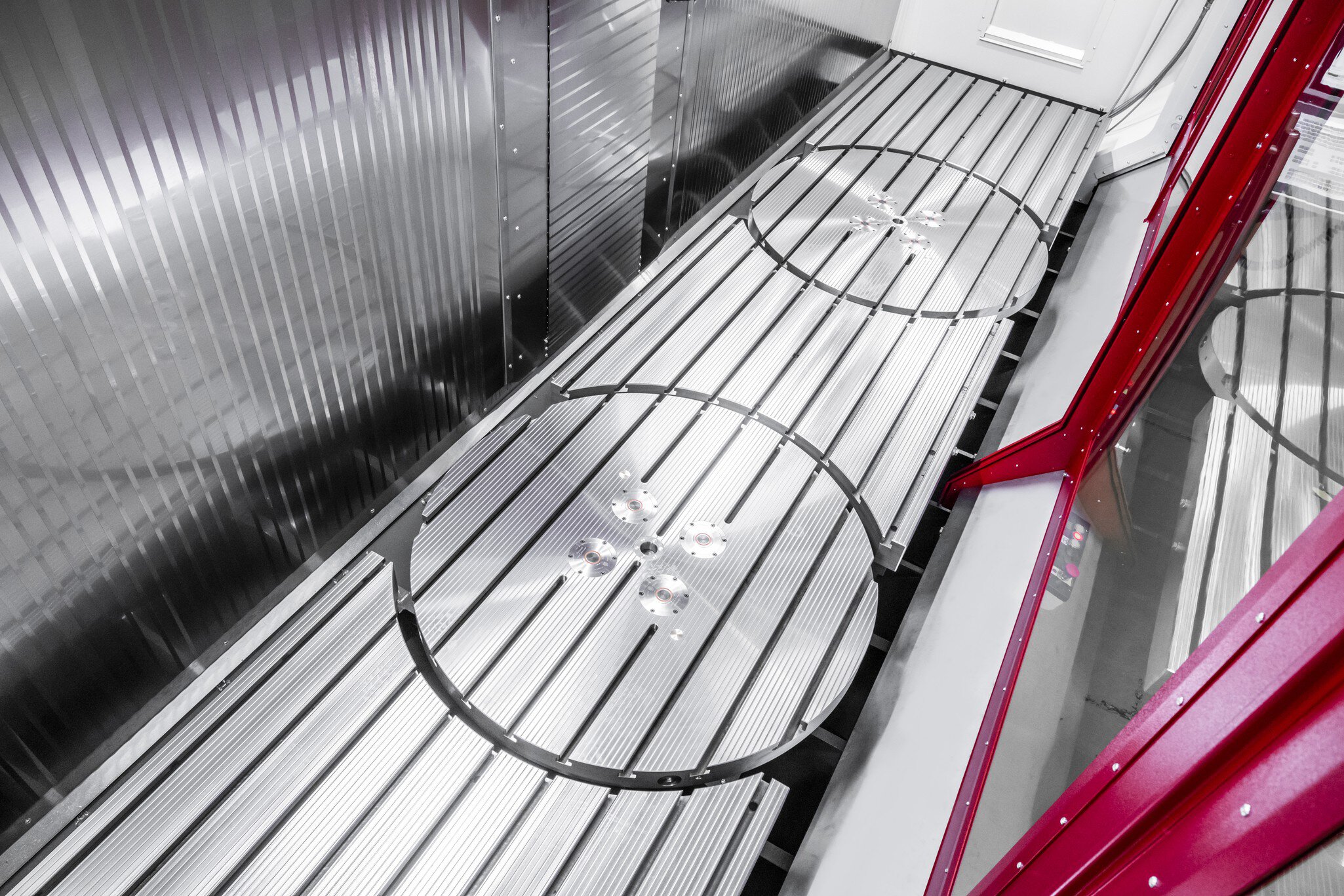
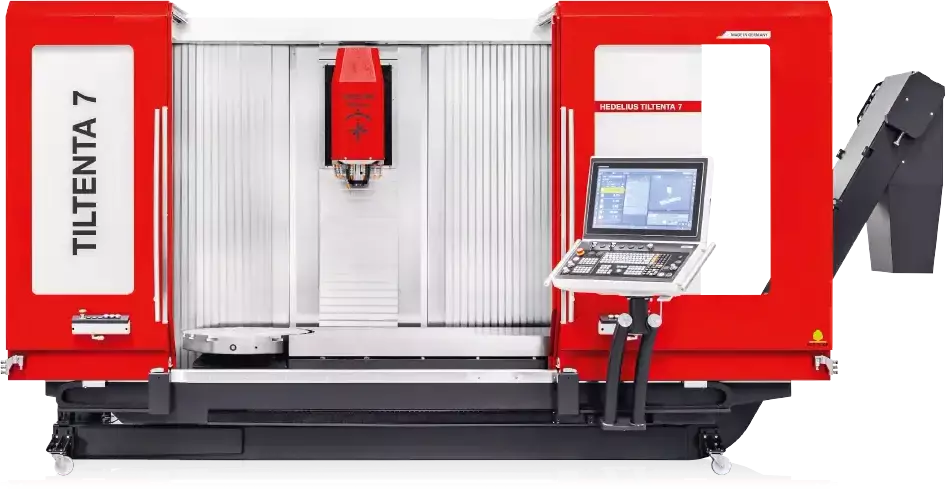
The TILTENTA 6-2300 expands this range to include the machining of long and large-format components. With an X travel path of 2,300 millimetres and the swivelling main spindle, even large workpieces – such as long housing components and runners for four-man bobsleighs – can be machined on several sides and on their end faces, without having to re-align them repeatedly.
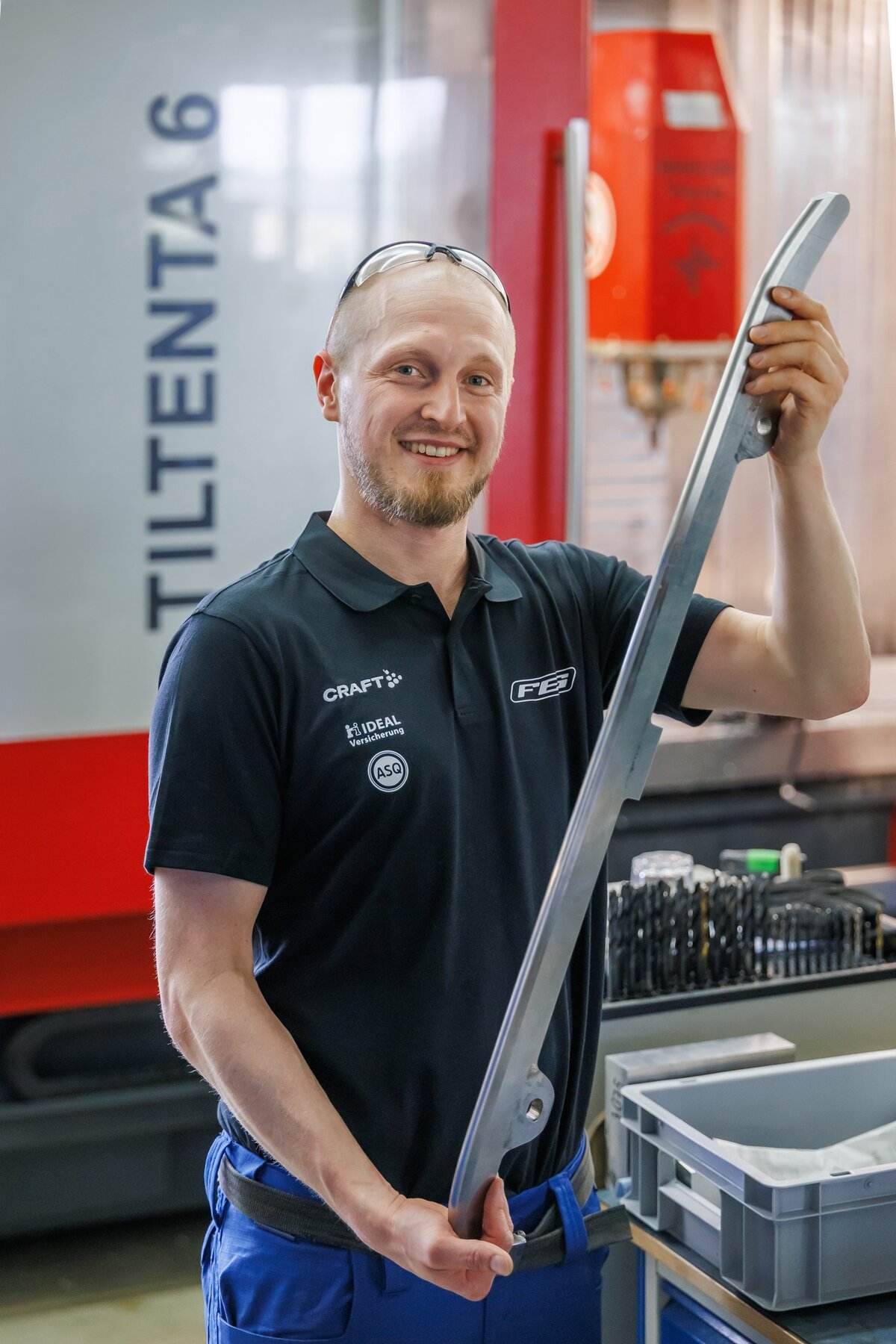
With its X travel path of 2,300 millimetres, the TILTENTA 6-2300 really comes into its own when manufacturing long components – such as the runner of a bobsleigh, which Thomas Proksch is presenting here.
FORTE 65: Cost-effective 3-axis machining
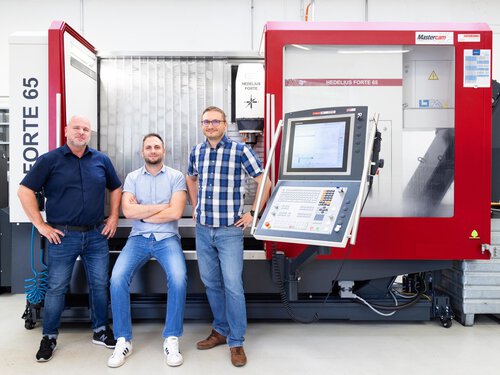
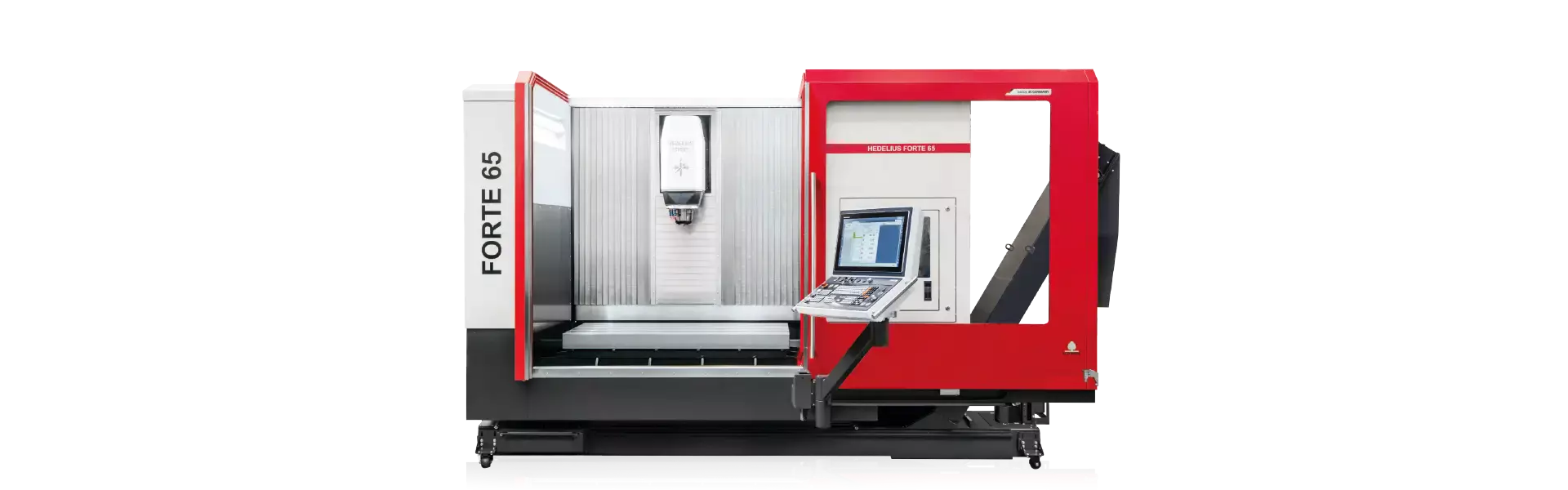
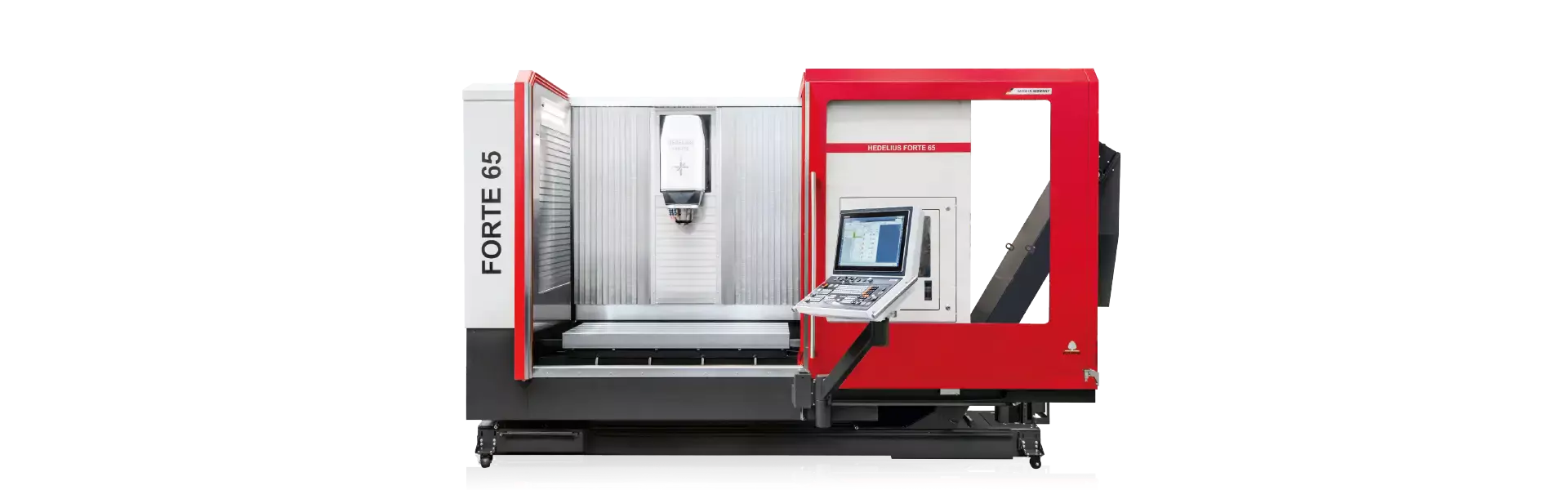
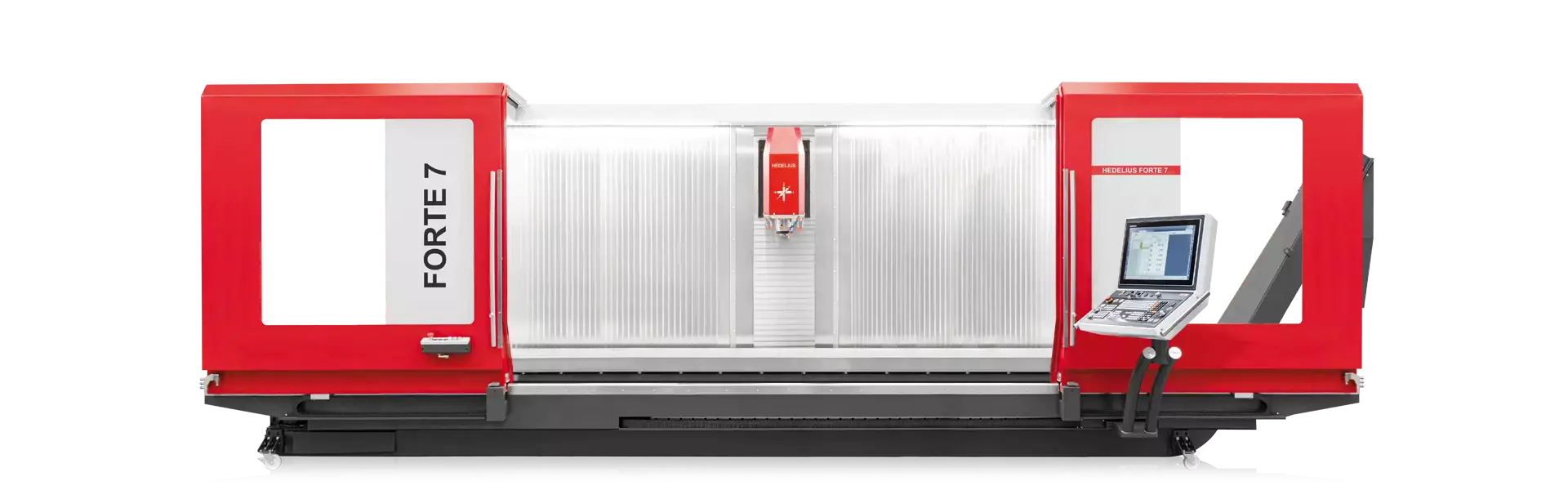
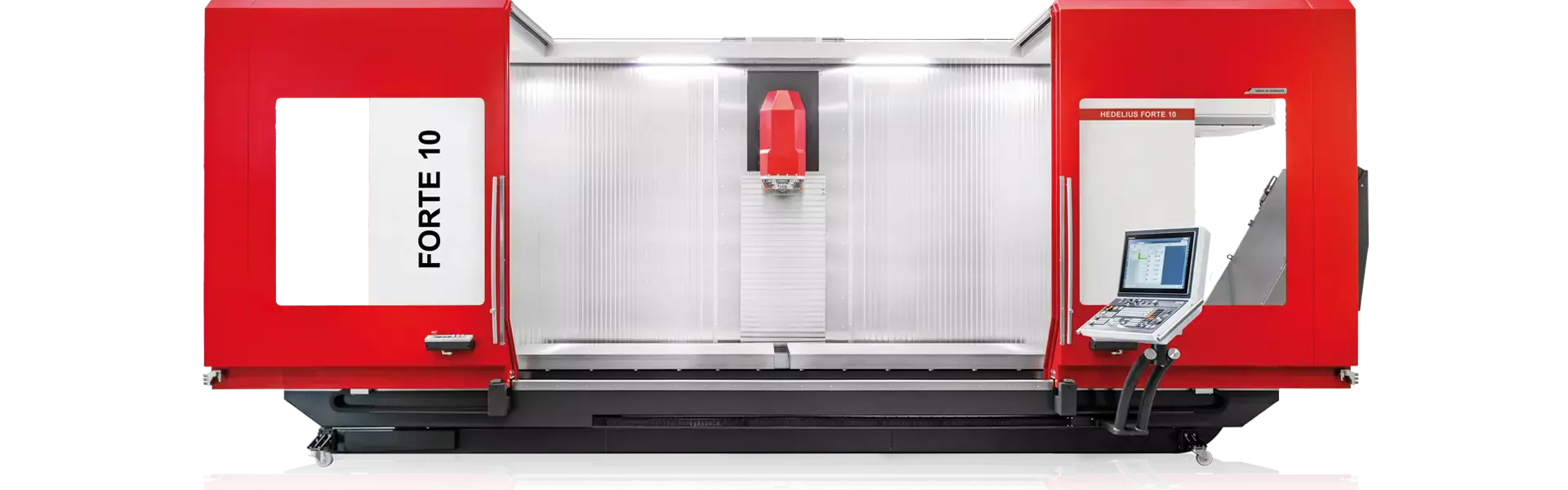
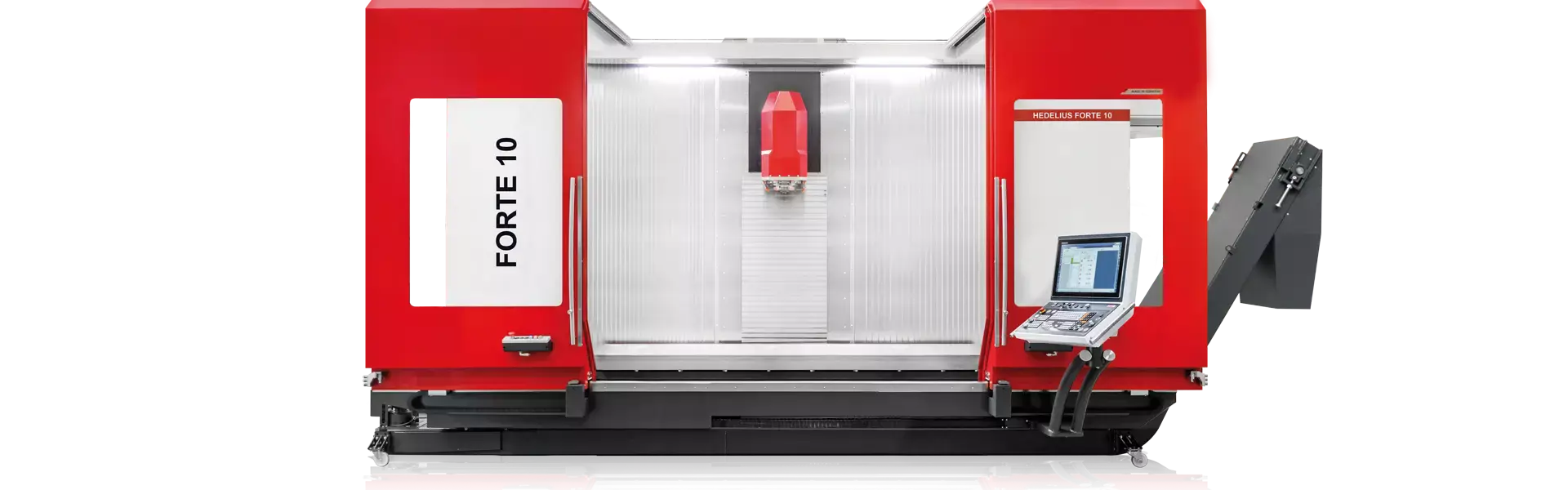
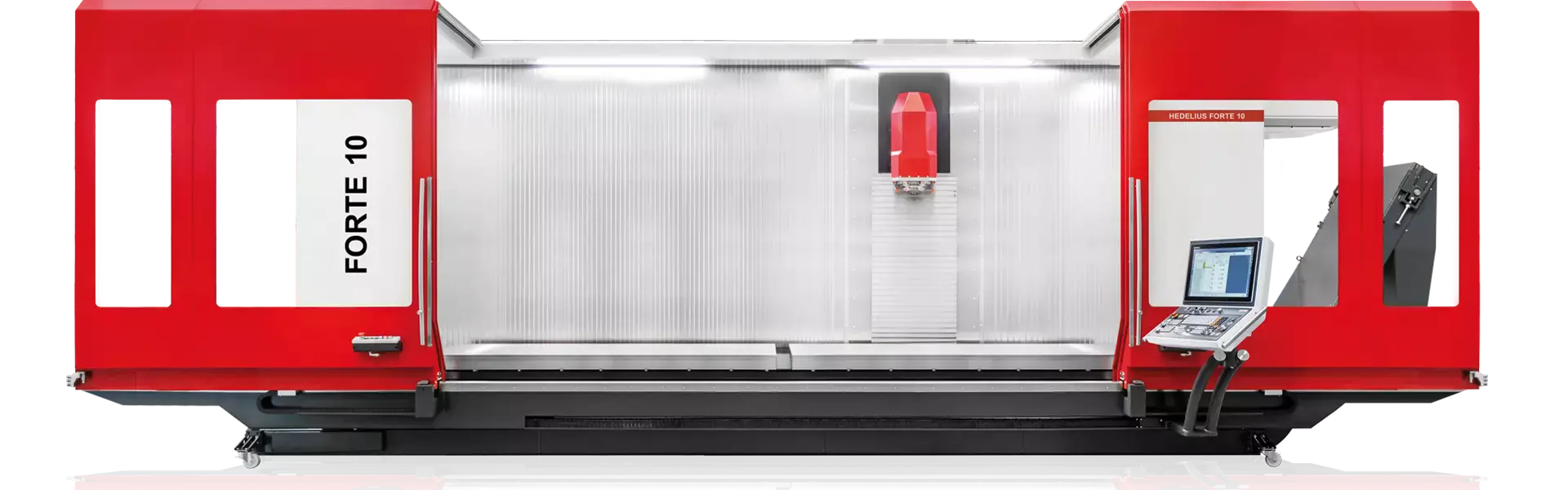
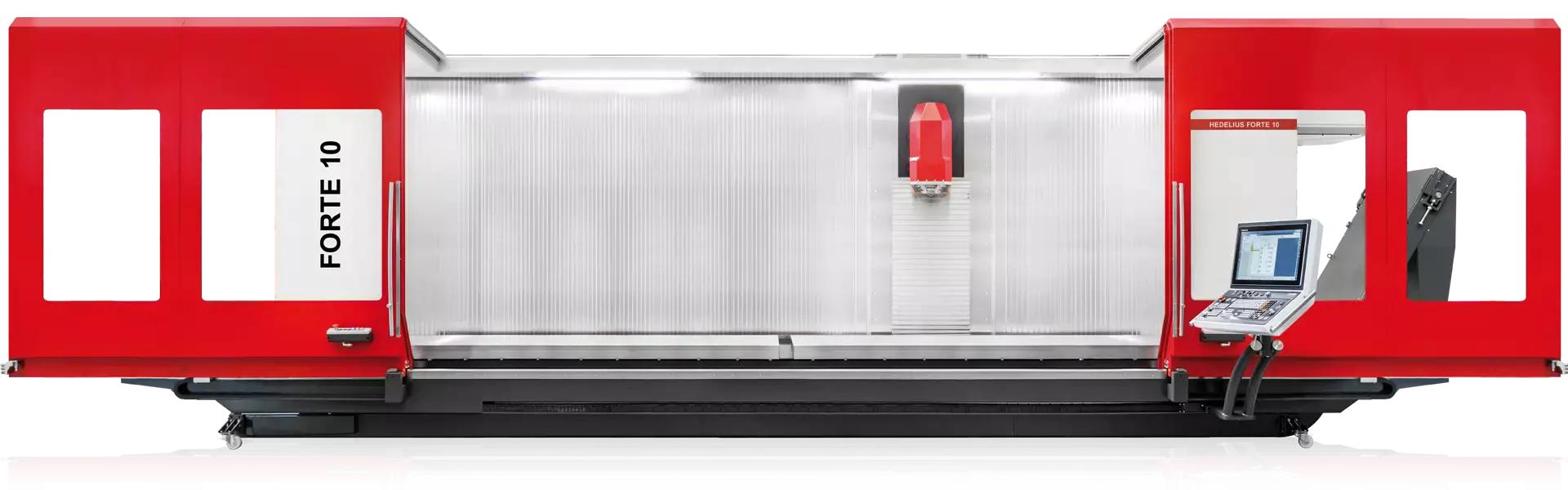
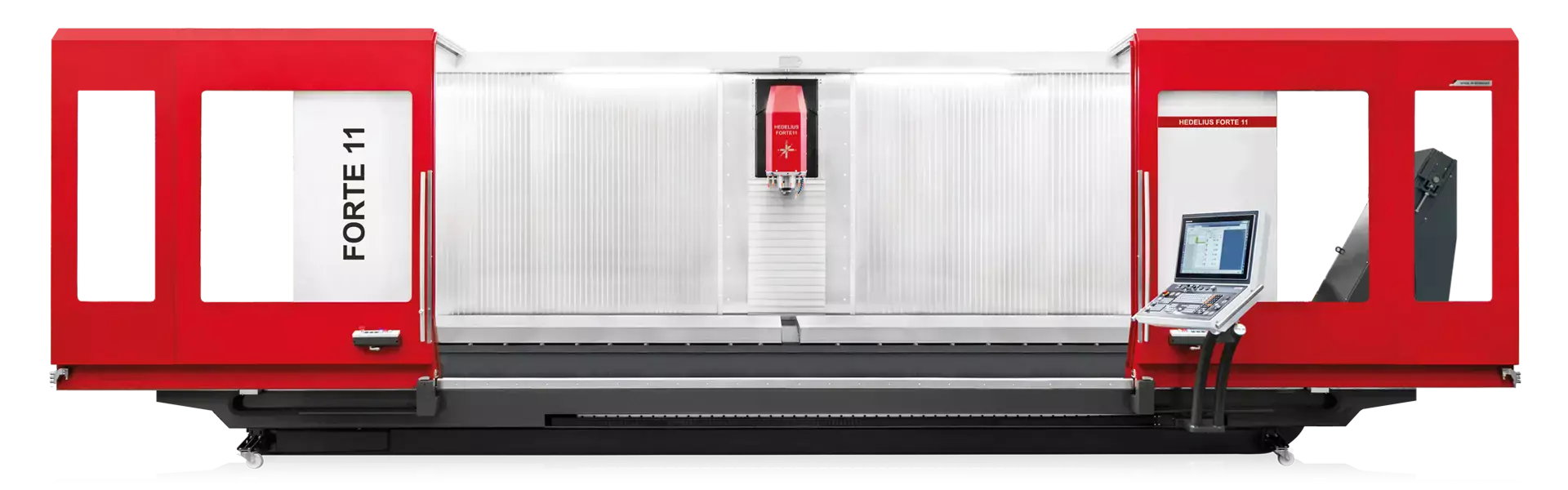
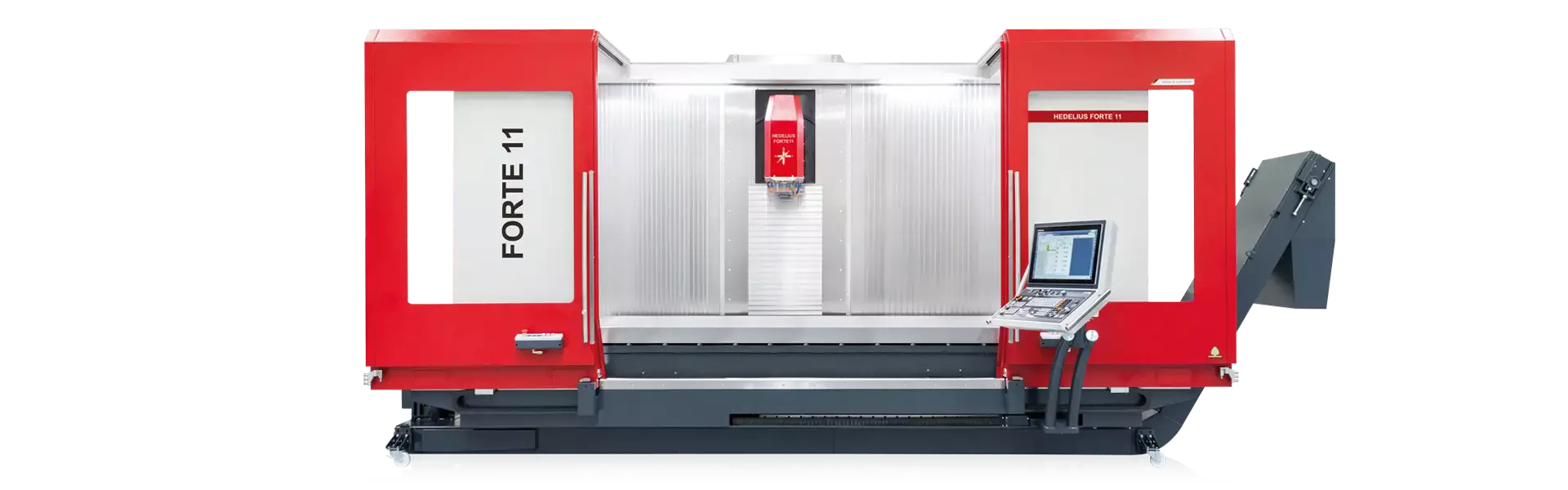
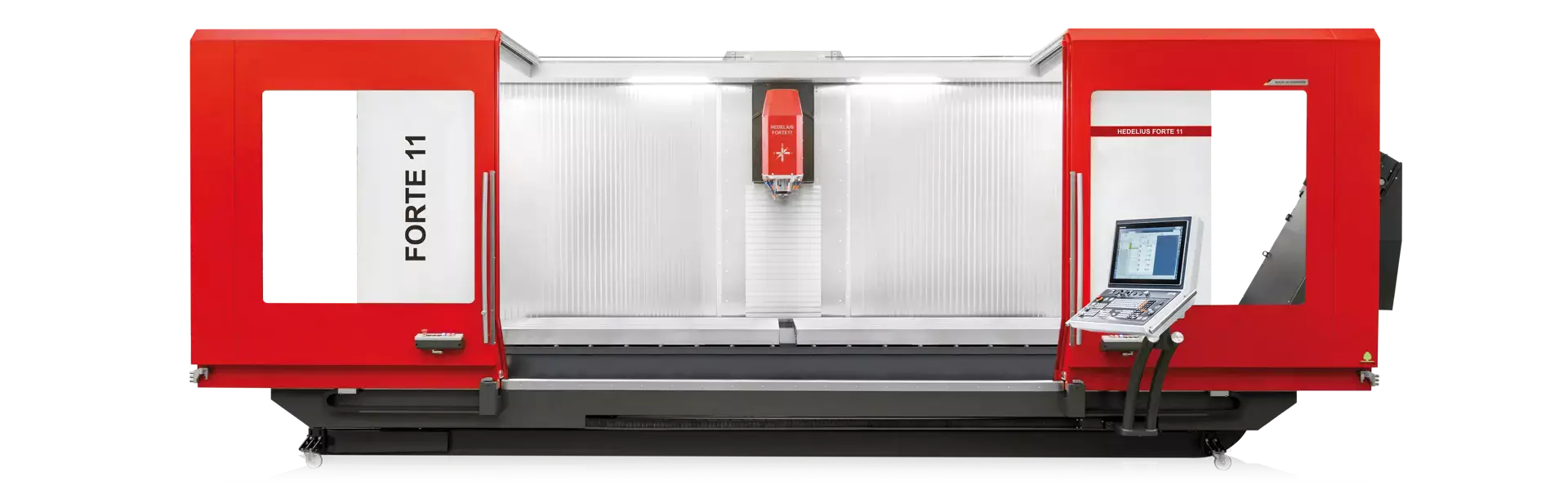
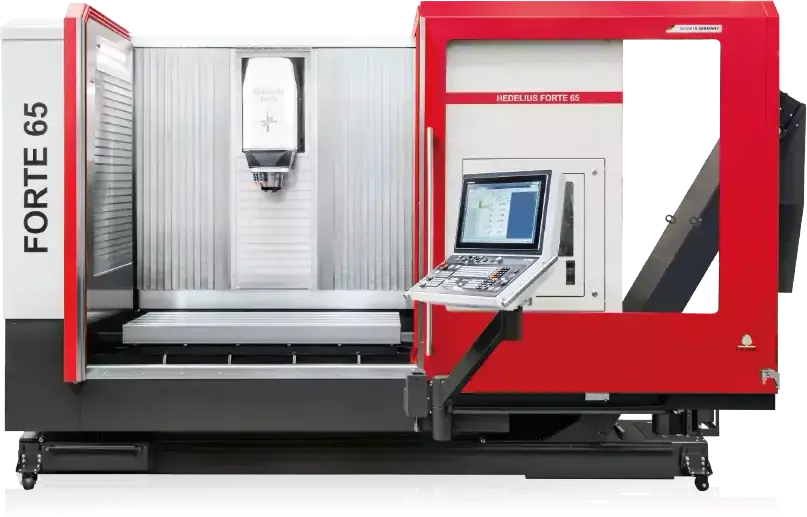
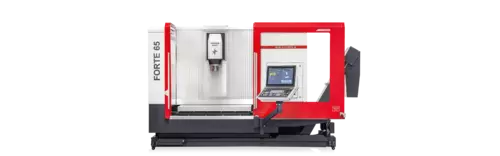
The HEDELIUS quartet is completed by the compact 3-axis machining centre FORTE 65. This travelling-column machining centre offers travel paths of 1,320 × 650 × 600 millimetres, a contact surface of 1,500 × 650 millimetres and a heavy-duty fixed machine table. The Operator’s platform design ensures that the dynamic performance remains largely independent of the workpiece weight.
“We need to be very flexible and responsive”
However, feedback from the athletes themselves is also crucial to the success of the FES’s work: “They often pop round here to the workshop in person,” explains Nico Zimmermann. “We then scan them, take moulds or simulate various scenarios to tailor the sports equipment precisely to their needs.” The institute’s respective project leaders support the athletes not only during their preparation, but often also on site at the competition.
Preparations reach their peak in Olympic years: “That’s when things really get going here, right up until just before the competition,” explains Zimmermann. “We have to be very flexible and quick to react.” It is precisely under these conditions that every machine must be reliable – and HEDELIUS delivers, as everyone at FES agrees.
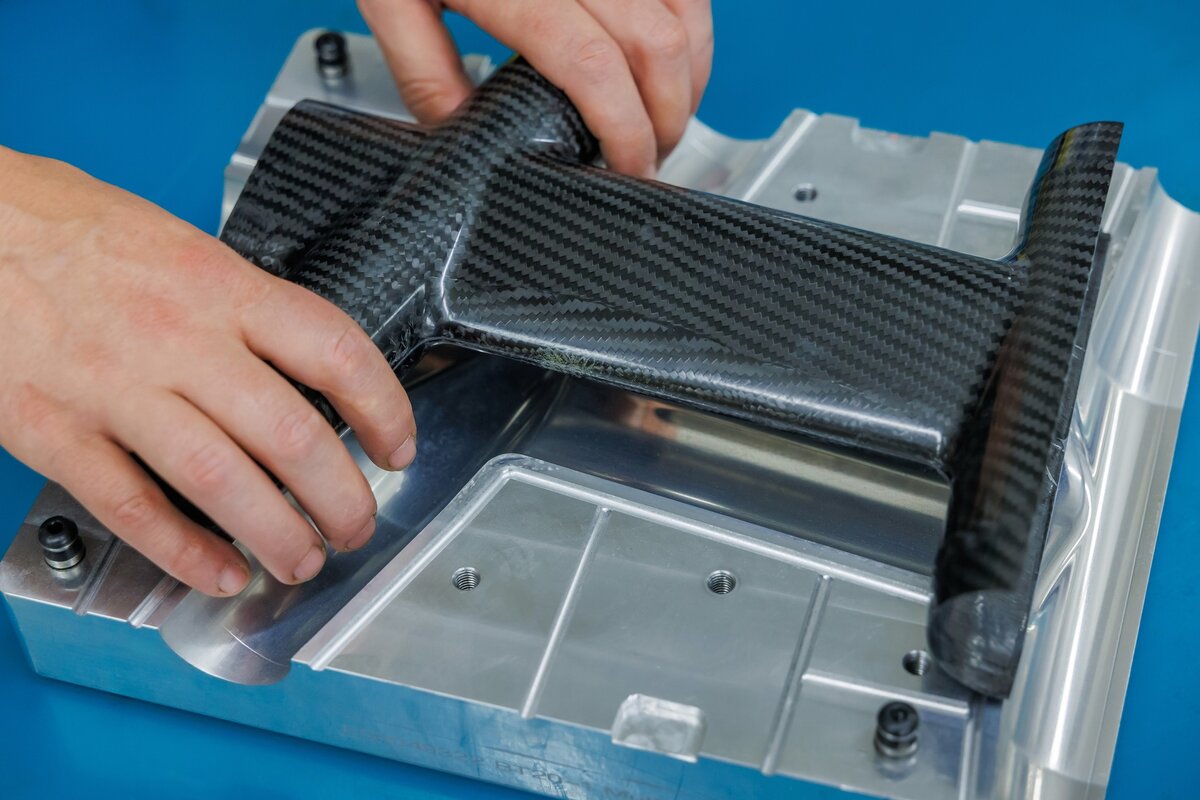
Precision-machined on a HEDELIUS machine, the aluminium mould forms the basis for the aerodynamically optimised track bike handlebars made from CFRP.
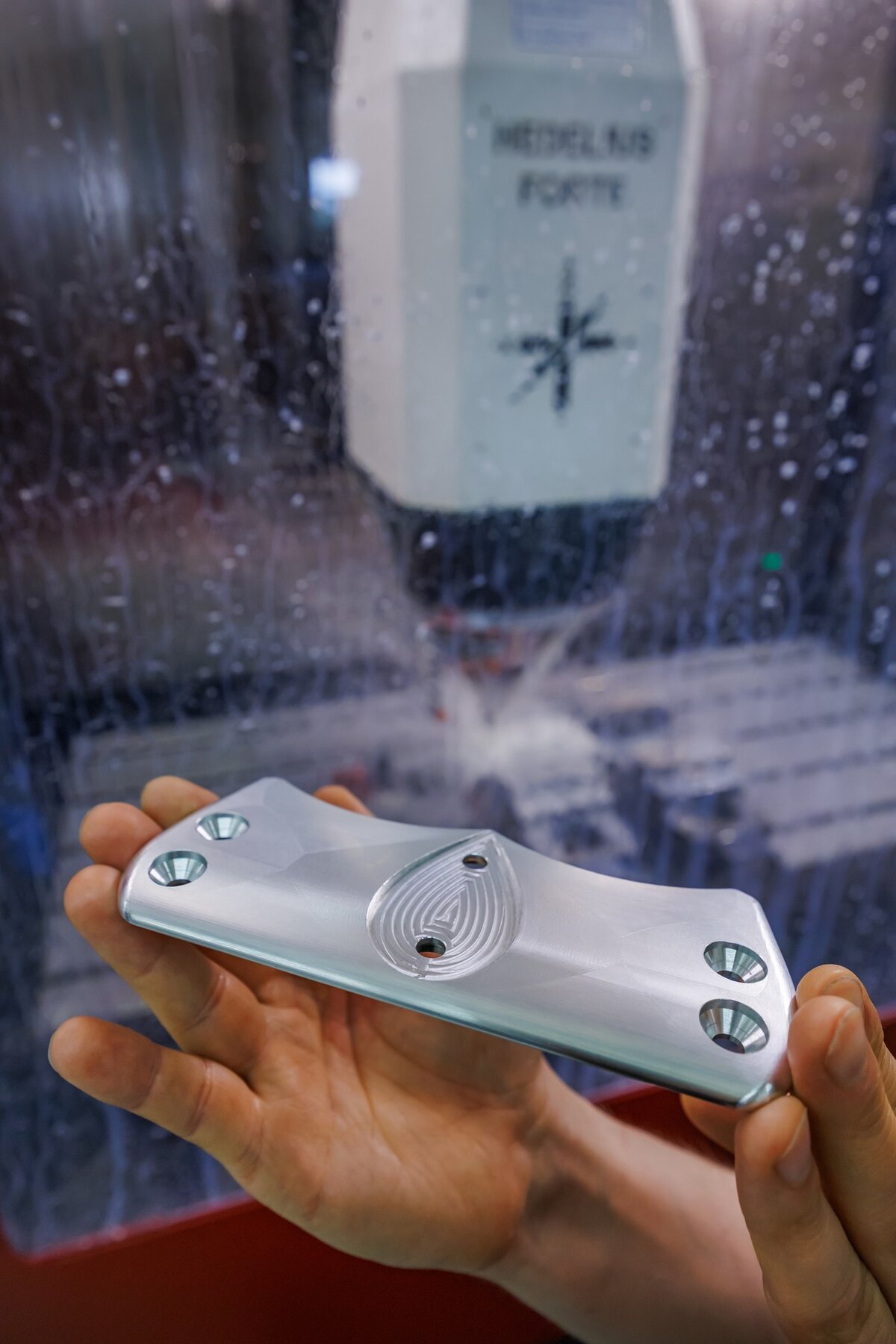
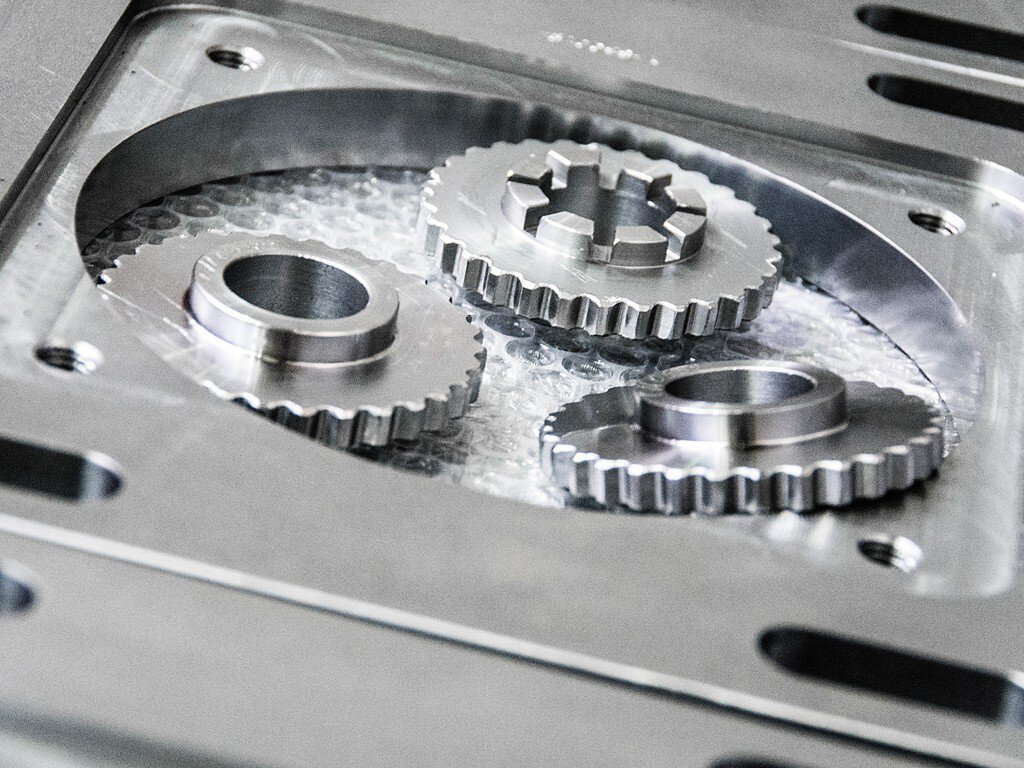
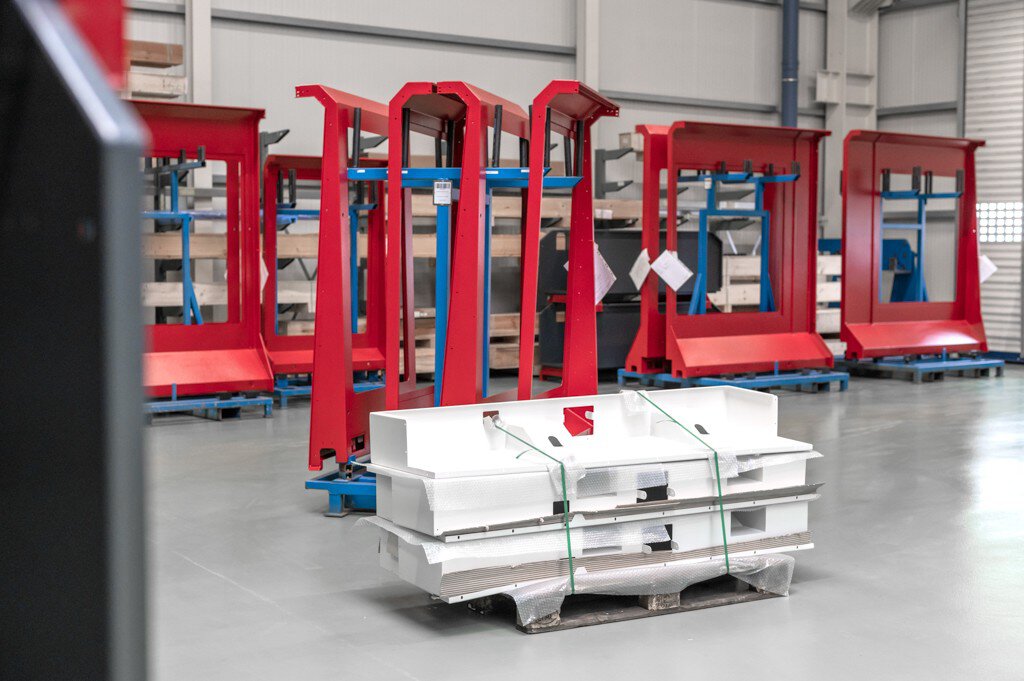
CNC-machined aluminium mounting plate for a track cycling assembly.
Photograph: Thomas Rosenthal, Berlin
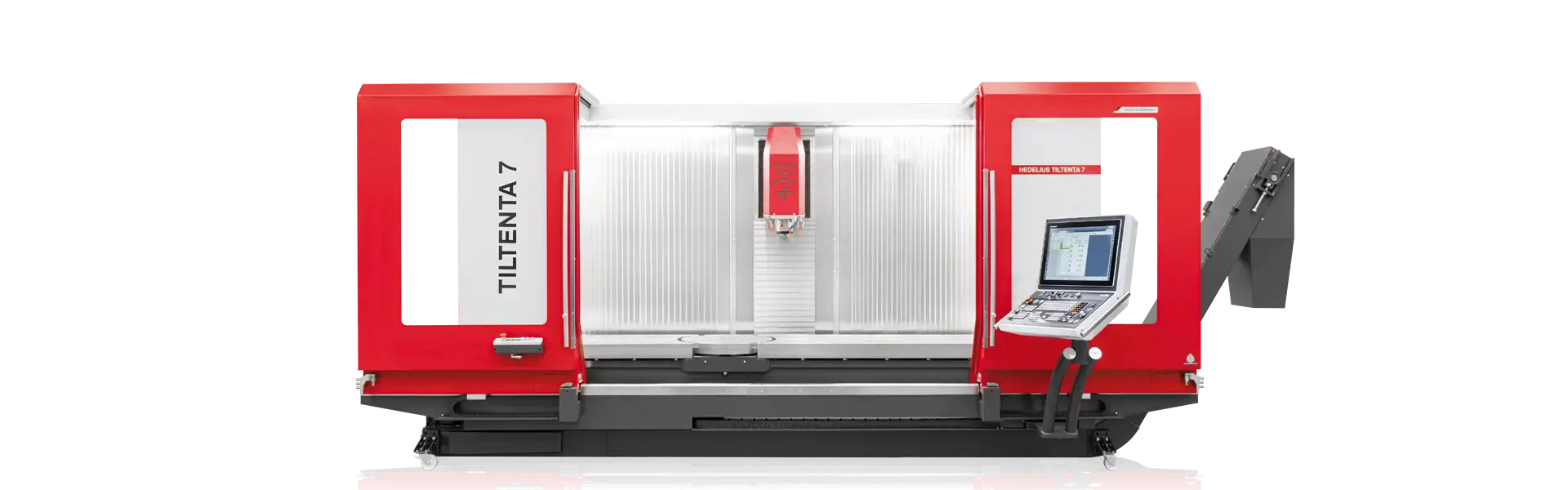
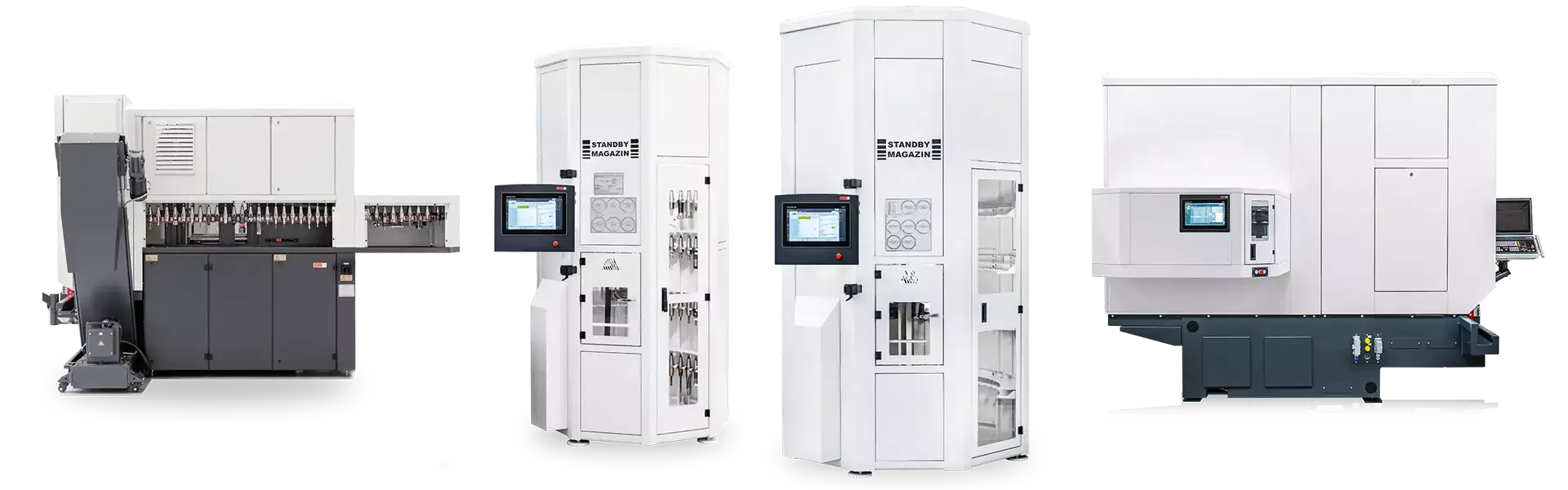
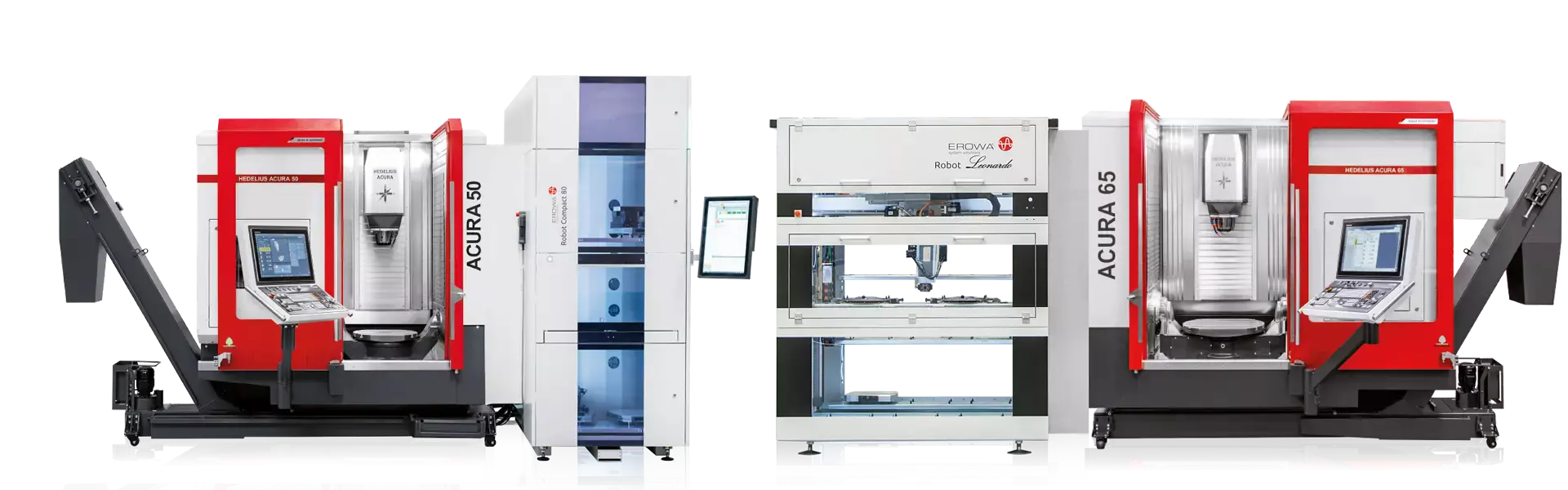
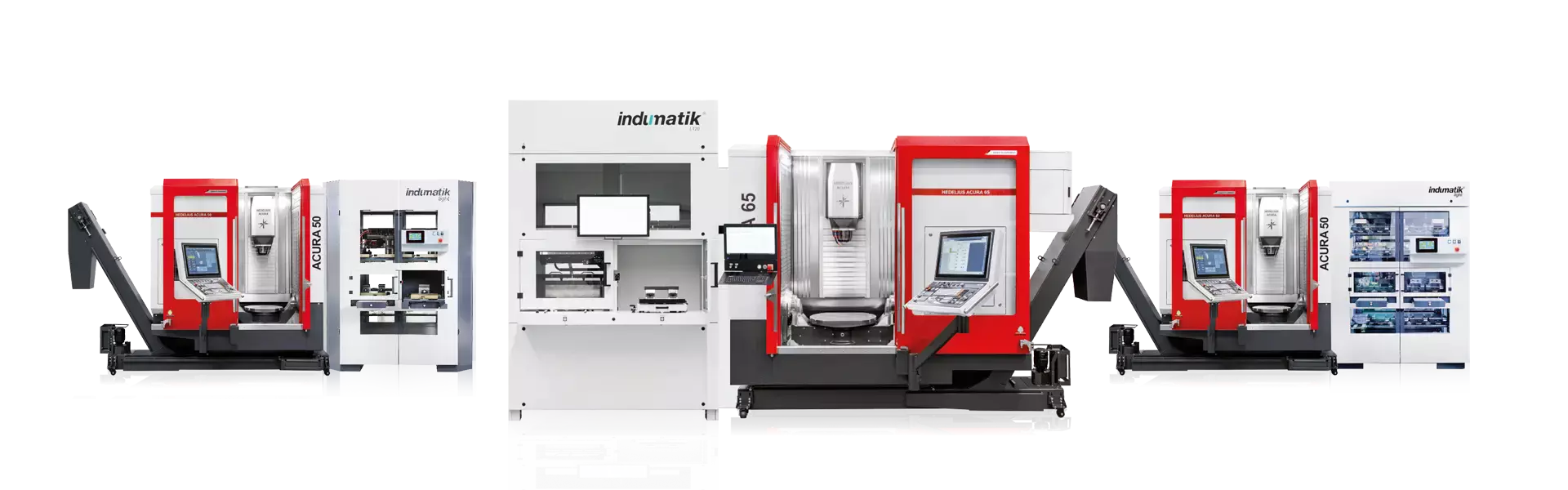
The customer’s HEDELIUS machining centres.

More testimonials.
What do the Olympic Games have to do with metalworking? At first glance, not much. Some might immediately think of the customary bite that winning athletes take out of their medals. But it’s worth taking a closer look – because the right equipment can make all the difference when it comes to those crucial hundredths of a second. When German athletes compete for medals at the Olympics, in many cases there is a great amount of development and manufacturing work behind the scenes. At the Institute for Research and Development of Sports Equipment (FES) in Berlin, this also includes CNC technology from HEDELIUS Maschinenfabrik in Meppen.
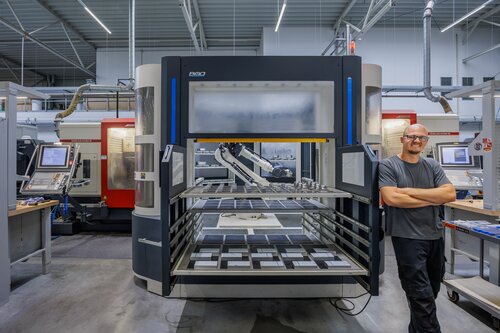
Steingross Feinmechanik GmbH & Co. KG specialises in the manufacture of sophisticated CNC-turned and CNC-milled components – from prototypes through to series production. Founded in Berlin in 1990 by Uwe Steingross, the company sees itself as a comprehensive system supplier of CNC machining technology and combines modern milling and turning processes with surface treatment, precision finishing, final assembly and design consultancy. Since 2019, Steingross has been relying heavily on HEDELIUS as a technology partner – including for the automation of its manufacturing processes.
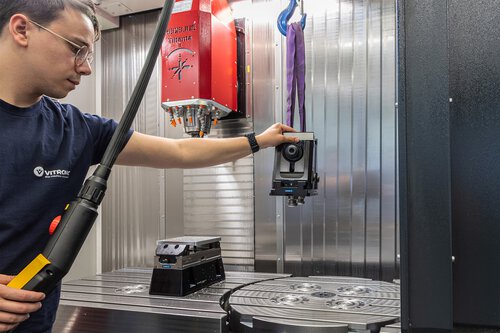
In prototype construction, Vitronic relies on the modular Schunk clamping technology kit in order to work flexibly, with process reliability and optimised set-up times** in frequently changing clamping situations. Thanks to the Vero-S zero-point clamping system, various clamping devices, lathe chucks and hydraulic tool holders, clamping operations can be transferred quickly, machines utilised efficiently and high-quality machining results achieved. The unit's scalable equipment significantly increases productivity, ergonomics and reliability.